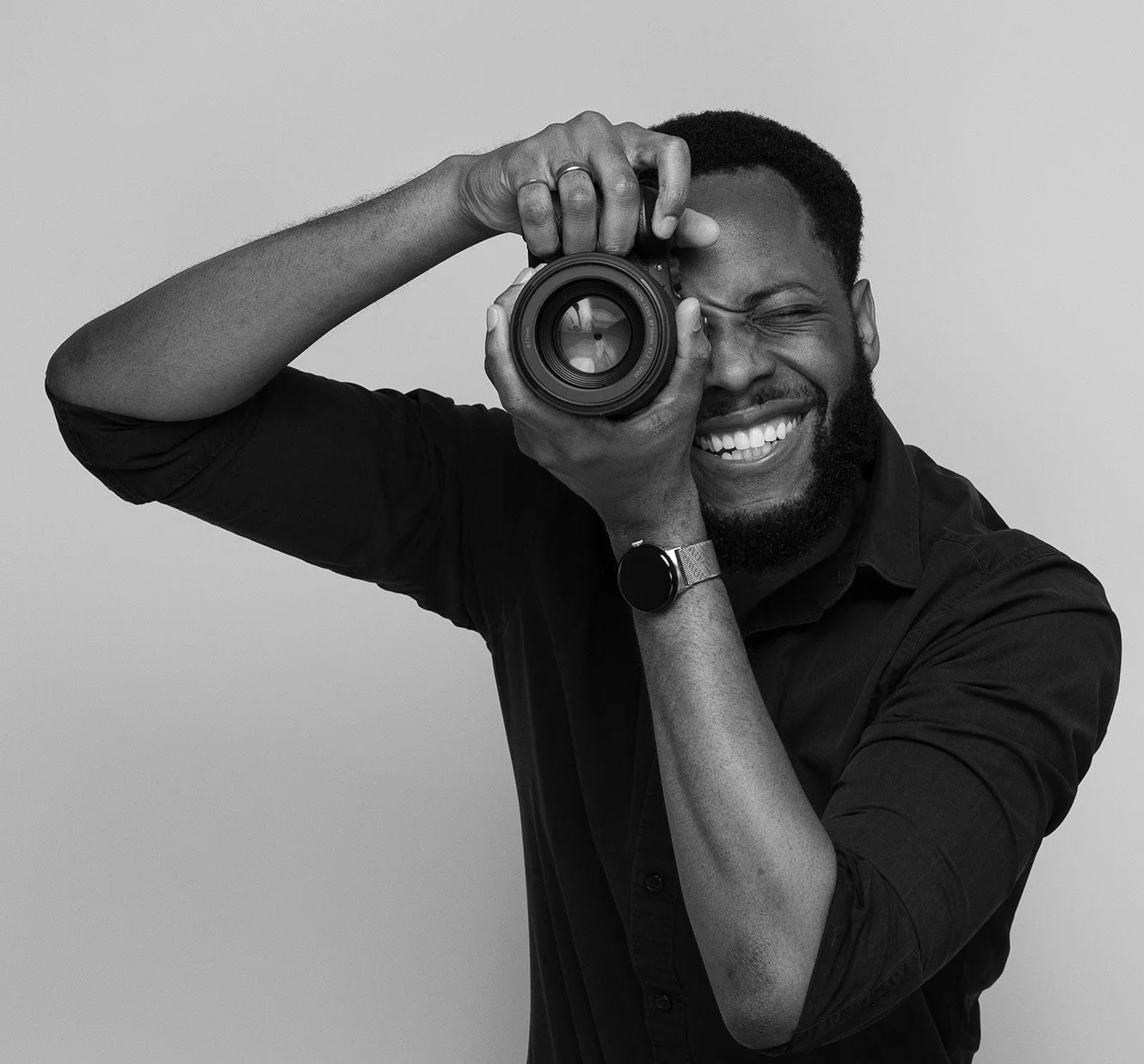
What Are Business Headshots?
A business headshot is a professional portrait, usually from the shoulders up, used across company websites, LinkedIn and press to convey who you are before you say a word. Done right, it signals trust, professionalism and that your company takes itself seriously. But when your team’s headshots are inconsistent or outdated, that perception crumbles. Let’s break down why that inconsistency matters and how to ensure your team’s image is aligned.
The Three Flavours of Professional Portraits
Not all business headshots are created equal. Depending on your brand and your industry, there are a few different styles worth knowing about.
Corporate Headshots
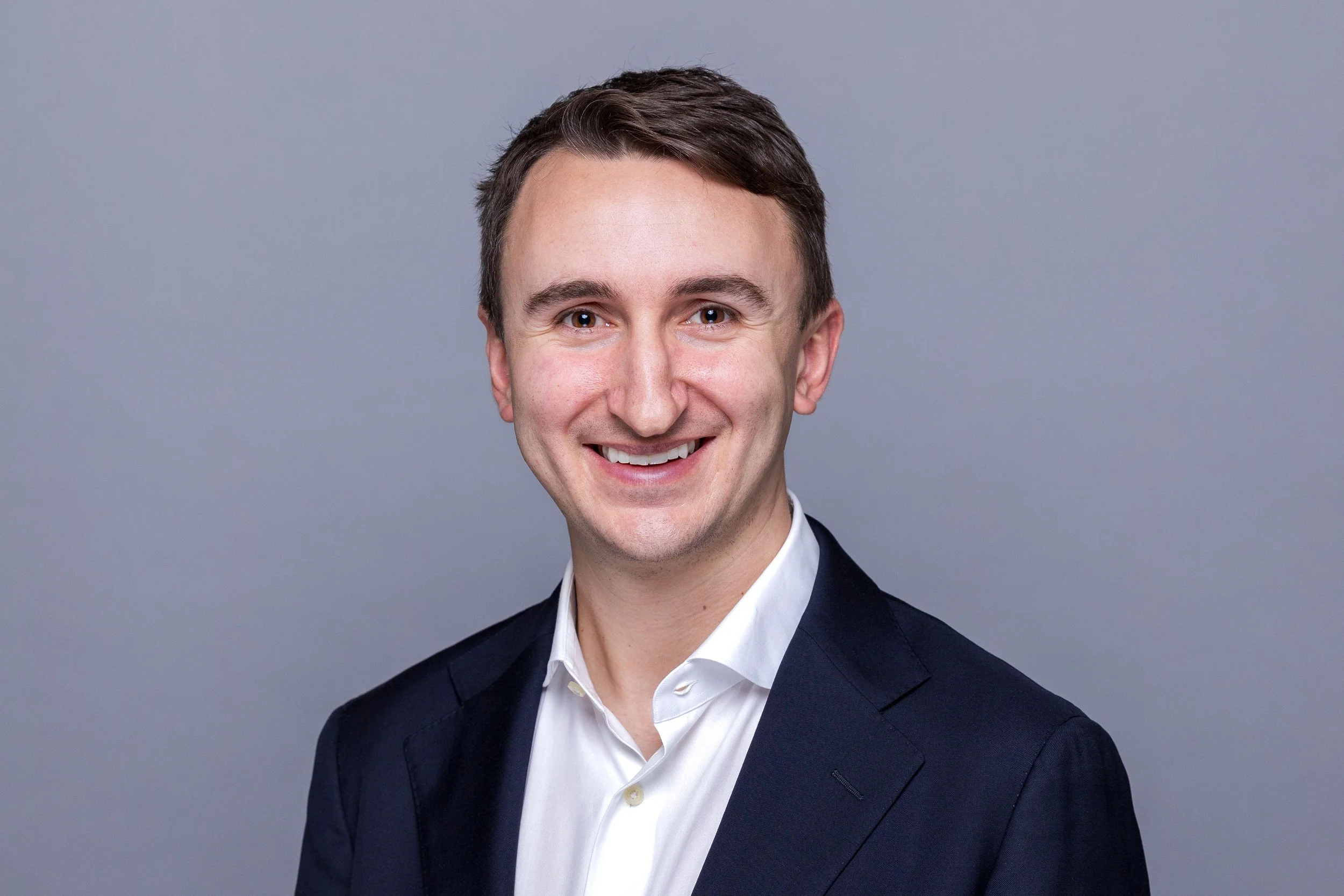
This is the classic. Clean background (usually white, grey, or navy), professional attire, confident expression. No distractions, just you looking like you absolutely know what you're doing.
Corporate headshots work brilliantly for LinkedIn profiles, annual reports, press releases and company websites. They're universally understood as "this person is a professional." If in doubt, start here.
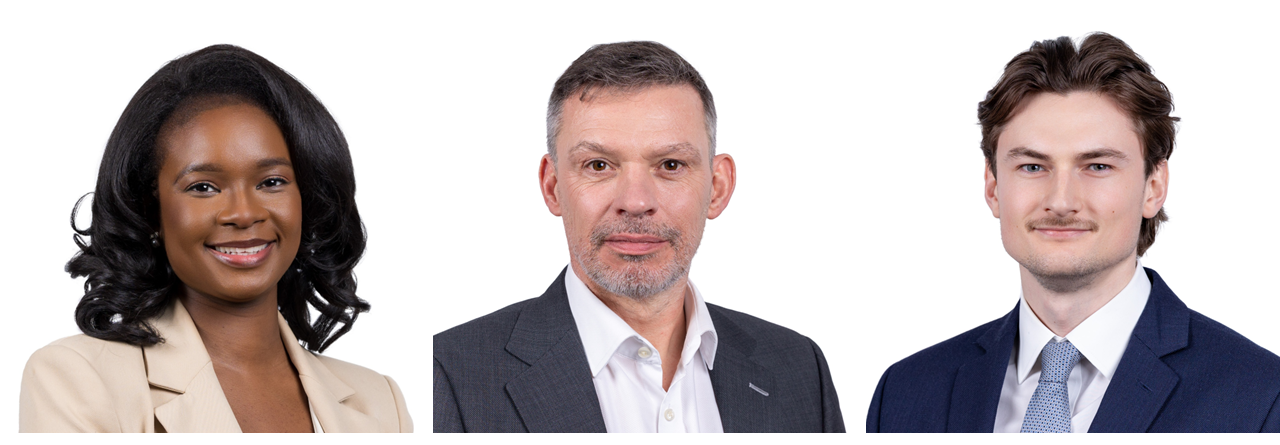
This is where things get interesting, and where a lot of companies either nail it or spectacularly miss the mark.
The goal is to show cohesion without making everyone look like they've been cloned. Same background, similar lighting, consistent framing but with each person's personality still coming through. Done well, it says "we're a great team." Done badly, it looks like a 90s boy band album cover nobody asked for.
The secret? Brief everyone beforehand. Same dress code guidance, same photographer, same day if possible.
Lifestyle and Environmental Shots
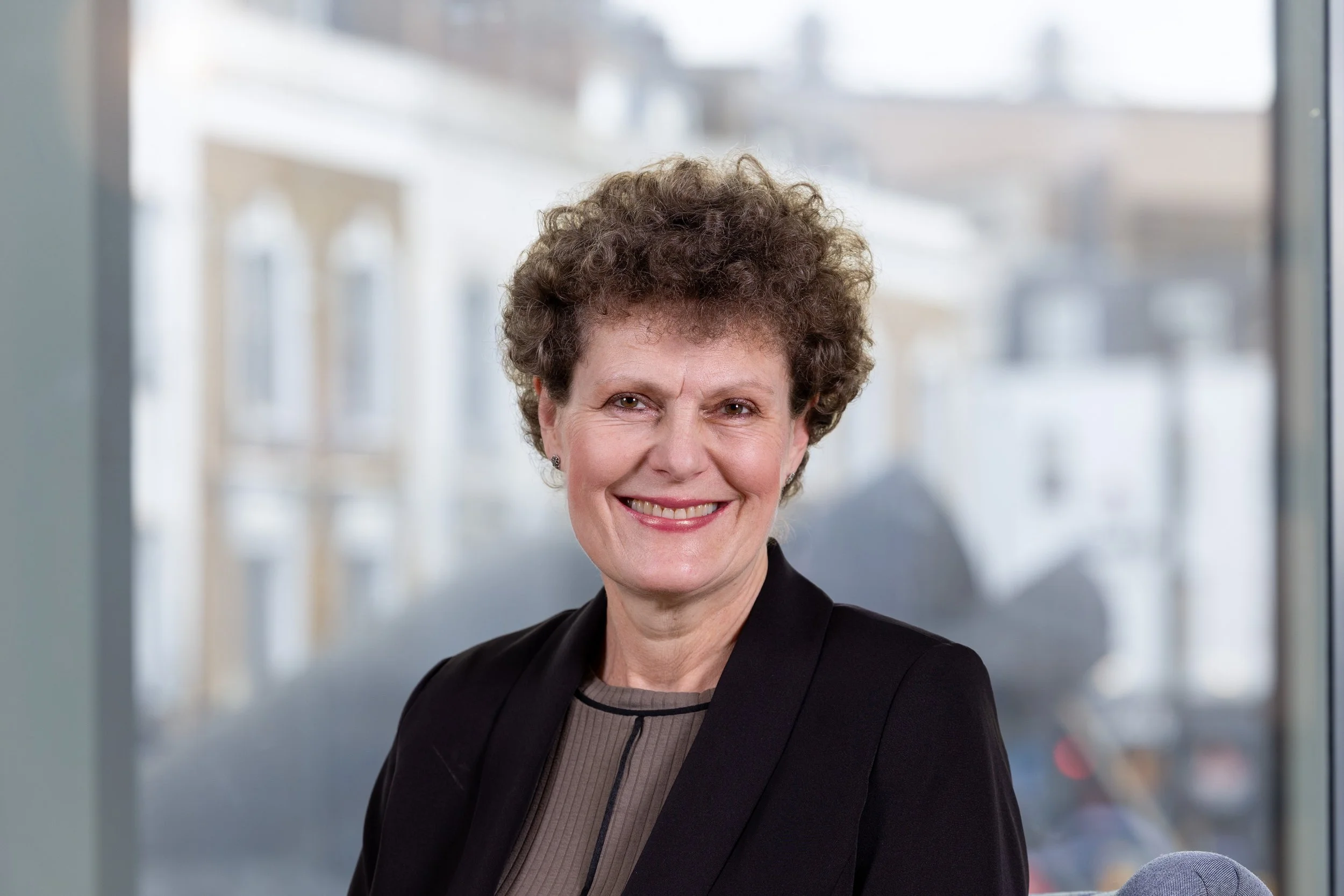
These show people in their element, at a desk, on a building site, or grabbing a coffee in a bright café. They're less formal, more human, and give potential clients or recruits a genuine feel for your company culture.
• Creative agencies and startups wanting to show personality
• Industries where environment matters (architecture, hospitality, construction)
• Social media content where a behind-the-scenes feel goes a long way
The beauty of lifestyle shots is that they don't as feel “staged” - even when they absolutely are.
Why HR and Marketing Teams Actually Care
Pitching a team photoshoot internally can sometimes feel like a hard sell. Here's the business case.
The Frankenstein Problem
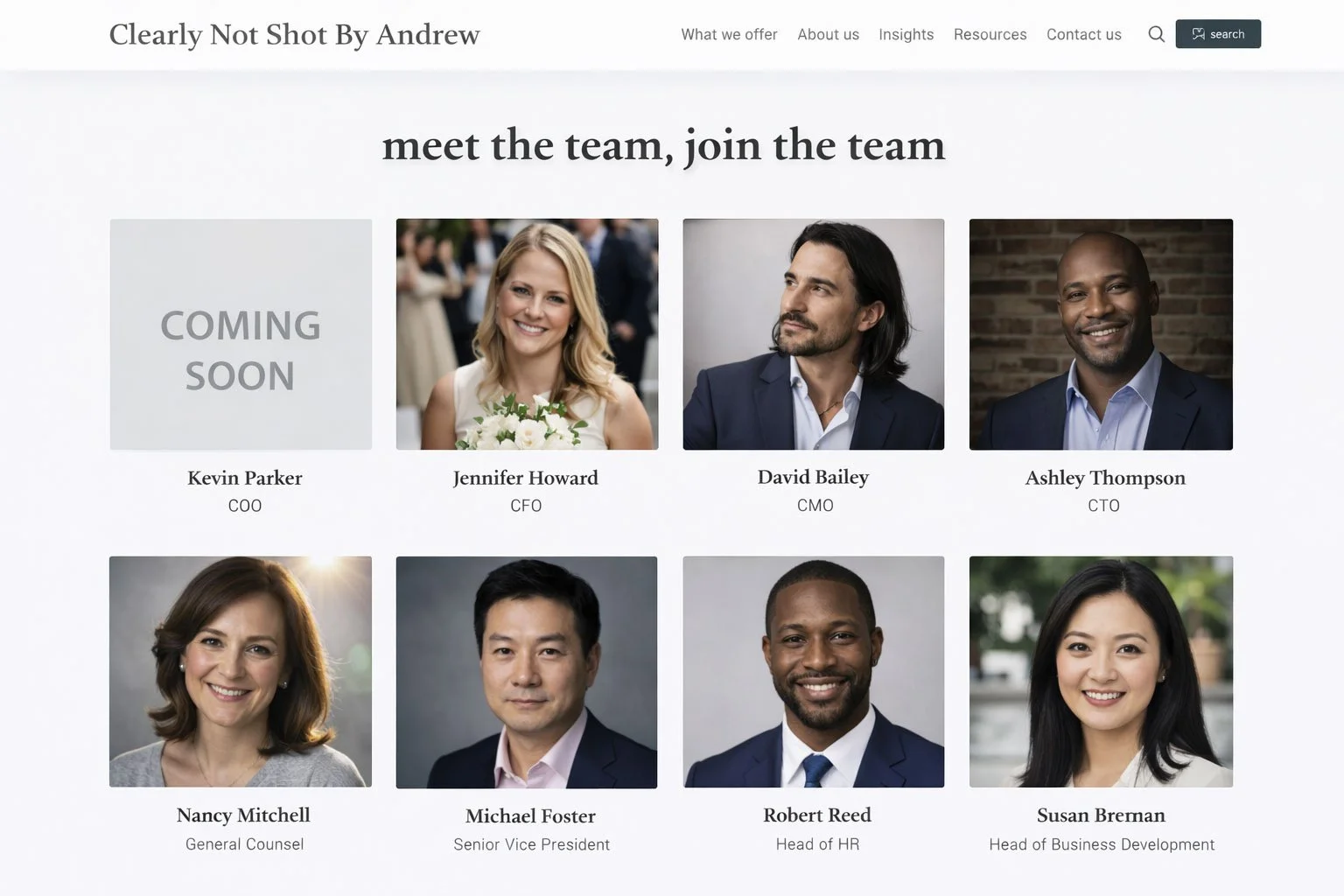
You've seen it. Every marketing manager has nightmares about it.
It's the "Meet the Team" page where Susan’s photo looks like it was taken at a garden party in 2017, Dave's is a slightly blurry LinkedIn crop, and the CEO has a beautifully lit studio portrait that belongs in a different universe entirely.
This is what happens when headshots are collected on an ad hoc basis over the years. Visitors notice the inconsistency even if they can't articulate why. It creates a subconscious sense of disorganisation that no amount of clever copywriting can fix.
Recruitment Is a Two-Way Street
Top candidates research you just as hard as you research them. Before accepting an interview, a strong candidate will visit your website, scroll your LinkedIn page, and try to get a feel for your people and culture. A polished, consistent team page builds excitement. A ransom-note-style gallery of mismatched photos raises questions.
Background Matters More Than You Think
Your headshot background is quietly doing branding work. A plain white background feels clean and corporate. A blurred office environment feels dynamic and modern. A branded colour backdrop ties directly into your visual identity. Match the background to your brand guidelines and make sure every team member's photo follows suit. It's a small decision with a surprisingly big payoff.
Planning the Logistics
So you've got the green light. Now someone, probably you, has to organise it. Here's how to make it run smoothly.
A Mobile Studio
A headshot photographer will likely be able to set up almost anywhere: a meeting room, a corridor with decent ceiling height, even an open-plan area. What you need to make it work:
A clear space of roughly 3m x 3m minimum
Access to a power socket (or two)
Reasonable ceiling height, as low ceilings cause lighting headaches
And where appropriate a nearby waiting area so staff aren't queuing awkwardly in shot
Chat with your photographer beforehand, so they can come prepared with the right kit.
Scheduling Without Losing a Work Day
Getting a full team through a shoot is doable with a bit of planning. Here's a realistic guide based on actual package timings:
| Package | Session Length | Staff Covered |
|---|---|---|
| Top-up | 30 minutes | Up to 2 individuals |
| Start-up | 2 hours | Up to 10 individuals |
| Scale-up | 4 hours | Up to 20 individuals |
| Full Day | 1 full day | Up to 35 individuals |
A few things that keep the day moving: send a briefing note in advance covering dress code and timing; book people in 5 to 10 minute slots; start with senior staff who are often the busiest; have a point of contact for the photographer so they can ensure everything keeps moving; and build in a buffer, because someone will always be late.
One thing that often catches people off guard: the photographer needs time to set up and pack down. Budget around 30 minutes on either side of your scheduled shoot. So if you've booked a two-hour session, block out three hours in the calendar. It's a small thing, but forgetting it tends to throw the whole day off.
New Starters? No Problem.
If a full shoot isn't practical, a Top-up session is a great way to keep your team page consistent without booking everything again every time someone new joins.
Based in or near London? Shot By Andrew offers flexible team headshot packages for businesses of all sizes, from two-person top-ups to full annual headshot services. Drop us an email and we’ll help take care of your headshot needs.
On Headshot Day
You've booked the photographer and picked the location. Now comes the part that makes most people quietly panic: actually being in front of the camera.
The Squinch
Coined by portrait photographer Peter Hurley, the squinch works like this: instead of opening your eyes wide (which reads as startled, or worse, terrified), you slightly raise your lower eyelids while keeping your upper lids relaxed. The result is a look of confidence and calm rather than deer-in-headlights. Try it in the mirror before your shoot, you'll either nail it immediately or laugh at yourself for five minutes. Both are perfectly fine outcomes.
What to Wear
A few things worth knowing before you open your wardrobe:
Solid colours photograph well across a wide range of skin tones. Blacks, navy, forest green, burgundy, and soft greys are reliable choices.
Don't wear the same colour as your background or you'll simply disappear into it.
Dress for the role you want, not just the one you have. Your headshot will likely be in use for two to three years.
Getting People to Relax
The most technically perfect lighting setup cannot save a photo where the subject looks like they've just been handed a parking fine. A good photographer's real skill is making people feel comfortable enough to stop performing and just be themselves.
What we don’t want is that slightly pained, self-conscious grimace that appears the moment someone says "cheese". Scheduling sessions mid-morning rather than first thing gives people time to settle into their day before they're expected to look effortlessly brilliant on camera.
FAQs: Everything Your Team Is Going to Ask You
The moment you announce a company photoshoot, the questions will start. Here are the most common ones, answered, so you can save yourself forty minutes of back-and-forth on Slack.
"Do I have to wear a suit?"
Not necessarily, but dress intentionally. The general rule: dress one level above your average workday. If you're usually in jeans, opt for smart casual. If you're already smart casual, nudge it up slightly. Your photographer will guide you and match your brand, it's part of the service.
"How long does it actually take?"
Much less time than people fear. Individual sessions run around 5 to 10 minutes in front of the camera. A team of ten takes roughly two hours start to finish and a team of twenty around four hours with proper scheduling. A well-organised shoot with pre-booked slots runs like clockwork. An unorganised one turns into a game of herding cats that nobody enjoys.
"Can you Photoshop out my mid-week blemish?"
Yes, and a good photographer will do this as standard. Basic retouching i.e. spot and minor skin blemish removal are typically included in the edit. What you won't get and shouldn't want, is heavy-handed editing that makes you look like a different person entirely. The goal is to look like you, on your best day. Mention any specific requests to your photographer before the shoot, not after.
Your Team Deserves to Look the Part
Your people are already brilliant at what they do. A great set of business headshots doesn't change that, it just makes sure the rest of the world can see it too.
From the team page that convinces a dream client to get in touch, to the LinkedIn profile that catches the eye of your next star hire, professional headshots do some of the heaviest lifting in your marketing toolkit - quietly, consistently, and for a fraction of what most businesses spend on things that work far less hard.
The investment is smaller than most people expect. The impact tends to surprise them.
Ready to Get Started?
Whether you've got two new starters who need a quick top-up, or a team of thirty long overdue a refresh, Shot By Andrew makes the whole process straightforward and genuinely enjoyable.