
LinkedIn Headshots London: How to Prepare and Actually Get a Great Shot

Most people walk into a headshot session thinking the hard part is over. They've booked the photographer, they've got the day off, they're ready.
Then they arrive flustered from the tube, realise their shirt is creased, and spend the first ten minutes trying to remember how to smile like a normal human being.
The camera doesn't make or break a LinkedIn headshot. What you do in the days and hours before you step in front of a lens does. This guide skips the surface-level advice and gets into the preparation that actually changes the result.
Let's get into it.
Why Your LinkedIn Headshot Matters More Than You Think
We make judgements about people within milliseconds of seeing their face. It's not polite, but it's human. On LinkedIn, that reaction happens before anyone reads a single word of your profile.
A strong headshot tells someone immediately that you're trustworthy, competent, and that you take yourself seriously. Recruiters and clients won't consciously think "hmm, that's a well-lit photo" but they'll feel the difference. Feeling is what drives action. A weak headshot quietly undercuts everything else on your profile. You could have a strong CV, glowing recommendations, and a well-written headline, but if your photo looks like an afterthought, it creates doubt. And doubt is hard to recover from.
Before You Even Book: Get Clear on Your Direction
Know the Industry You Want to Work In (Or Represent)
Before you think about what to wear or where to book, spend ten minutes doing some homework. Open LinkedIn, search for people in your field and look at their headshots. Not to copy anyone, but to understand what's normal in your space before you try to do something different. Finance and law tend to be polished and formal. Tech and startups lean more relaxed. Creative industries give you more room to show some personality. Executive headshots carry a weight that junior profiles don't need yet. The specifics vary, but the principle is consistent: you need to fit before you can stand out. Turning up looking like you belong to a completely different industry is a more common mistake than you'd think. A solicitor who looks like a lifestyle blogger, or a creative director who looks like they're applying for a job at a bank, sends a confusing signal before they've said anything at all.
Decide How You Want to Be Seen on LinkedIn
Once you know your industry, the next question is more personal. What are you actually using LinkedIn for right now?
Someone actively job hunting needs to look hireable and approachable. Someone building a client-facing business needs to project credibility. Someone publishing content and building an audience has a bit more creative freedom. These aren't rigid categories, but they do affect what a good headshot should communicate.
The mistake I see most often is people trying to cover all bases at once. They go for something neutral, something safe, something that ends up saying nothing. Pick a direction. A photographer can then make deliberate choices around lighting, framing, and backdrop that actually support it, rather than producing a technically decent photo that could belong to anyone.
I've been photographing professionals for years and the pattern is consistent. Clients who have a conversation with me beforehand and arrive with their outfit already planned walk away with images they're genuinely happy with far more often than those who leave those decisions to the morning of the shoot. It's not a small difference either. The preparation is visible in the final image.
What Makes a Strong LinkedIn Headshot
Before getting into the preparation detail, it helps to know what you're working towards.
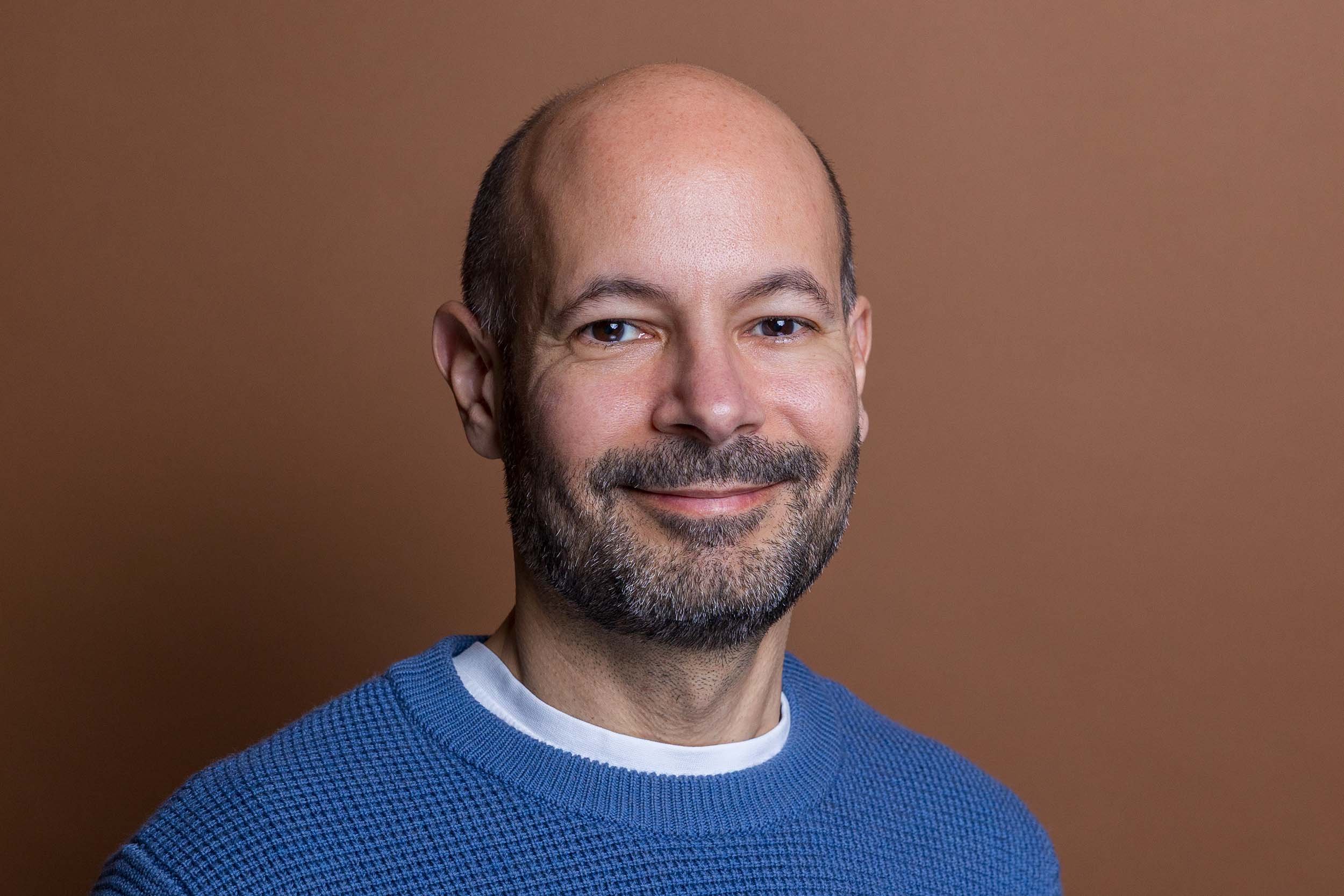
A good headshot is sharp, well-lit, and has a background that doesn't compete with your face. The expression sits somewhere between approachable and confident, not a forced grin, not a blank stare. The styling feels considered. And crucially, it looks like you, not a cleaned-up version of someone else.
That last point matters more than people expect. The goal isn't transformation. It's showing up as the most pulled-together version of yourself. A headshot that achieves that is one people trust before they've read a word.
Step-by-Step: How to Prepare for Your LinkedIn Headshot Session
1. What to Wear (This Is Where Most People Get It Wrong)
Clothing is where most people either nail it or well… don’t, and the mistakes are almost always the same.
Go for fitted, structured pieces that look relatively new. Cameras notice things your wardrobe mirror lets slide: a slightly stretched collar, a shirt that's a size too big across the shoulders, a blazer that's been washed one too many times. None of these are dealbreakers in real life. In a high-resolution photograph, they pull focus.
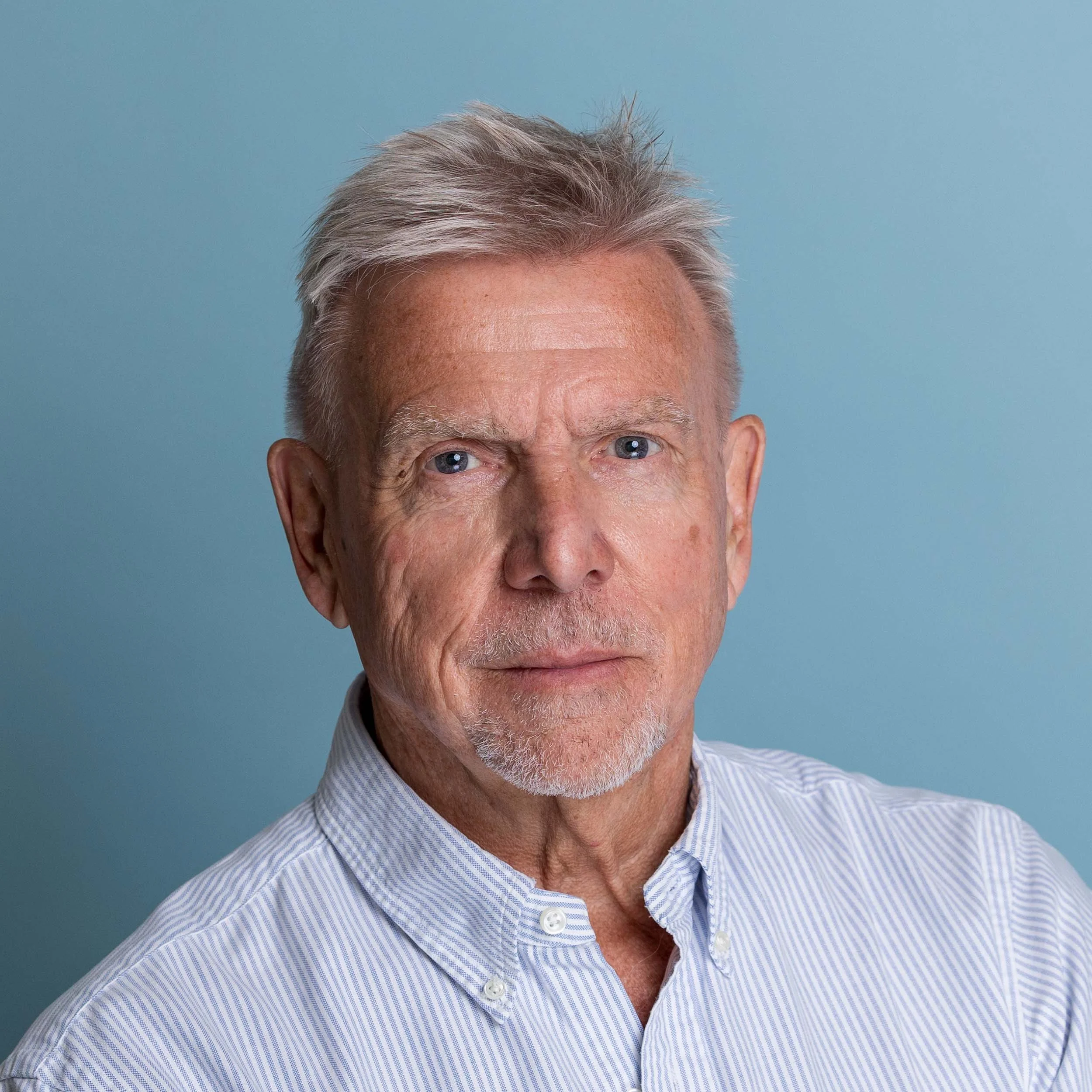
Avoid loud patterns. Checks, stripes, and busy prints can distort on camera and compete with your face, which should always be the focal point. Skip the logos too. As for colour, muted and mid-tones photograph well across most skin tones: navy, slate, burgundy, sage.
Pack a second outfit, ideally one that shows a slightly different version of you, one more formal and one a touch more relaxed. It gives you options on the day and means you might walk away with something usable for different contexts. Hang everything properly the night before. Creases are not your friend.
2. Don't Ignore Accessories
Accessories are one of the small things that separate a headshot that feels real from one that feels generic.
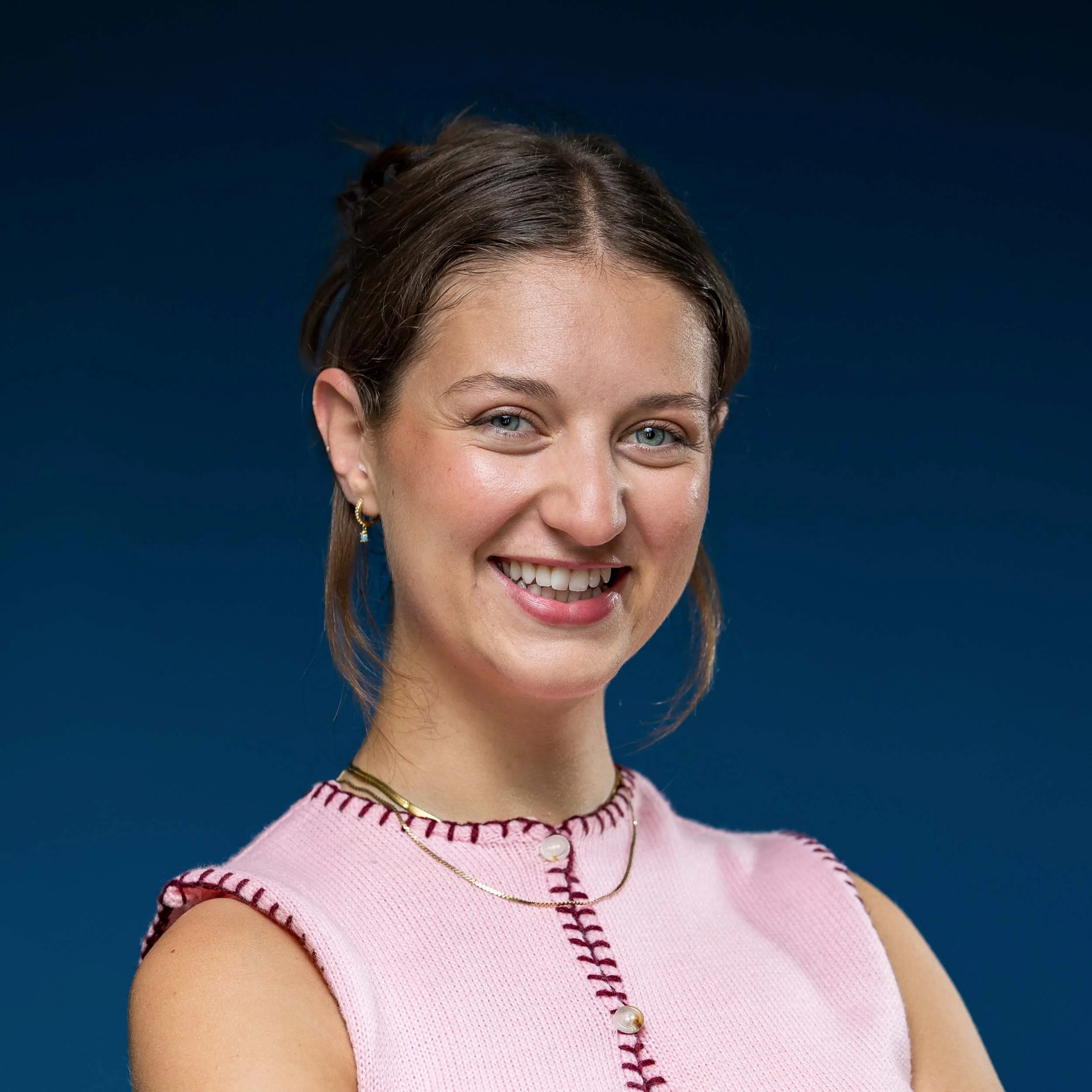
A simple necklace, a pair of earrings, a ring, a watch. These details add warmth and personality without pulling focus from your face. They make you look like someone who got dressed with intention, rather than someone who put on a plain top and hoped for the best.
Keep it subtle. Anything too large or too eye-catching will compete with your face, and in a headshot, your face needs to win.
The people who skip accessories entirely often end up with shots that feel flat. Technically fine, but somehow forgettable. A little thought here goes further than most people expect.
3. Grooming and Skincare (Plan This Properly)
Timing matters here more than most people realise, and it's worth thinking about a few days out rather than the morning of.
For men: Get your haircut two to three days before the shoot, not the morning of. A very fresh cut can look a little stark, not quite settled into how you normally look. Decide in advance whether you're shaving or keeping facial hair, and commit. Stubble that clearly wasn't a decision reads on camera as an oversight. If you're shaving, do it shortly before the session to avoid shadow showing up by midday.
For women: The same timing rule applies to hair. Getting it done two to three days before gives it time to settle into something that looks natural rather than fresh from the salon. Avoid going dramatically different from your everyday look. Bring your makeup for touch-ups mid-session.
For everyone: Skin condition shows up clearly in high-resolution images. Start moisturising properly a few days out, not just the morning of. Dry lips, tired eyes, uneven texture: all of it is visible in a way that it isn't in the bathroom mirror at 7am.
4. Sleep and Hydration
This is probably the most ignored point on the list, and it has a bigger effect than most people expect.
Tired eyes don't photograph well. Not because they can't be edited out, but because tiredness sits in your expression, not just your eyelids. No editing fixes a look that says you'd rather be somewhere else. Get a proper night's sleep before your session.
Hydration is similar. Skin that's been well looked after over a few days photographs with a natural quality that skin after a long week simply doesn't. Start drinking more water two or three days out, not just the morning of the shoot.
It sounds too simple to matter. In my experience, the clients who show up well-rested consistently get better results than those who've come straight from a late night or an early start.
5. Plan Your Journey
This sounds obvious, but it's one of the most common ways people derail a session before it starts.
Check your route the night before. Account for delays. Build in fifteen minutes you don't expect to use. Arriving flustered means your shoulders are tense, your jaw is tight, and you need time to decompress before you're actually present in front of a camera. That time comes out of the shoot.
In my experience, the best images tend to come from the second half of a session, once someone's relaxed and stopped thinking about being photographed. Arriving calm gives you more of that time.
If you have questions before the day, about what to bring, what to expect, or how long the session runs, just get in touch. It's much easier to sort things in advance than on the morning.
6. Think About the Background
Backdrop affects the tone of an image more than most people realise, and it's worth having a conversation with your photographer before the day rather than leaving it as a decision made on the spot.
Neutral backgrounds, whites, soft greys, warm creams, keep things clean and put the focus entirely on you. They tend to work well for corporate, legal, and finance contexts. Darker backdrops, charcoals and deep blues, add a different weight that suits more senior or executive headshots. If you're in a creative field or building a personal brand, something with a bit more texture or environmental context, natural window light or a softly blurred office setting, can work well.
Also think about how your outfit sits against the background. A dark suit against a dark backdrop can cause you to blend in. Mention what you're planning to wear when you discuss the shoot. Your photographer will account for it.
My Perspective As A Photographer: What Actually Makes a Headshot Work
In my experience, the difference between a good headshot and one that really works has very little to do with equipment. It comes down to the person in front of the lens.
The eyes. A smile is easy to produce on demand. The eyes are harder. The headshots that land are the ones where there's genuine presence in the expression, something that reads as self-assured rather than performed. That tends to come from feeling prepared, not from practising poses in the mirror beforehand.
Posture. Small adjustments make a significant difference. Sitting slightly forward, rolling the shoulders back, a slight angle in the body. These are things I'll walk you through on the day, but clients who arrive relaxed tend to respond to that direction more naturally than those who arrive tense.
Choices that were clearly thought about. When the outfit, grooming, and accessories feel deliberate, it shows in the image. I can see the difference between a client who spent ten minutes thinking about what to wear and one who spent ten seconds.
If you'd like to be guided through this properly rather than figure it out on your own, get in touch or book a session. We'll cover everything from what to wear to what to expect on the day.
Where to Get Your LinkedIn Headshot Taken in London
The environment you shoot in affects the end result, so it's worth talking through the options with your photographer rather than assuming one approach fits everyone.
Studio shooting gives you control over light and background. There are no weather variables, no strangers walking into frame, no issues with time of day. For corporate, legal, finance, and executive headshots, a studio almost always gives you the cleanest result.
Outdoor shooting can look good when the light is right, typically an overcast day with soft, diffused light rather than direct sun, which creates harsh shadows and isn't particularly flattering for anyone. It suits creative professionals or personal brands where a more relaxed, editorial feel fits the overall look. The downside is that conditions are harder to predict or control.
Office environments work if the space is genuinely interesting: a well-lit boardroom, a modern open-plan office, something with architectural character. They can also look flat and accidental if the background isn't chosen carefully. It depends very much on the specific space.
If you're looking for a professional headshot session in London, you can find out more about LinkedIn headshot sessions here.
What Happens During a Professional Headshot Session
Here's a straightforward overview of how a session typically runs.
When you arrive, we start with a conversation before anything else. We talk through your outfit choices, confirm what you're going for, and check nothing has changed since you booked. People sometimes arrive with a different idea than they had when they first got in touch, and that's fine. That conversation is there to make sure we're working towards the same thing.
Then we shoot. I give direction throughout: where to position your body, what to do with your hands, small adjustments to expression. The job isn't to point a camera at you and hope something good happens. It's to actively work with you to get there.
As we shoot, I'll regularly show you the images as we go. This means we can course correct in real time, make sure you're happy with how things are looking, and confirm we've nailed a shot before we move on. You're not left hoping for the best and finding out days later. The selection process happens after the session, but by the time we're done you'll already know there's something in there worth using.
One thing I find myself saying to almost every client: I have never photographed a single person who isn't overly critical of how they look. You see yourself in the mirror every morning and you notice everything. But we don't see you that way. We're not looking for flaws. We're looking for the version of you that reads as capable and credible to whoever lands on your profile. A LinkedIn headshot isn't a fashion photograph. It isn't a beauty test. Once people understand that's what we're actually working towards, not perfection, it tends to be the thing that helps them relax more than anything else I can say.
Choosing the Right Final Image
This is where people often get tripped up, even after a session that's gone well.
When you're looking through a set of images of yourself, it's natural to be drawn to the one where your hair looks best, or where you're smiling in a way that feels familiar. That instinct isn't always wrong, but it isn't always right either.
The question to ask is not "which one do I like most?" but "which one does the job best?" The image that reads as confident and credible to a stranger, at thumbnail size, on a first glance, is the one worth using. Those two things don't always point to the same photograph.
Check how each image reads when you make it small, because that's how most people will see it on LinkedIn. Think about what a stranger sees in your expression, not what you feel when you look at it. If you're genuinely unsure between two, ask a colleague or a friend who works in your field. A second perspective is often more useful than another hour of looking yourself.
Final Thoughts
Most people treat their LinkedIn headshot as something to get done rather than something to get right. They book something at short notice, turn up in whatever they're wearing, and hope the photographer pulls something usable out of it.
Sometimes that works. More often it produces something perfectly acceptable that does very little for them.
The sessions that produce genuinely useful images are almost always the ones where the client arrived prepared. They'd thought about their industry, their audience, their outfit, their grooming. They'd slept properly and planned their journey. They showed up ready to work.
That preparation shows in the final image, not as something you can point to, but as a quality in the photograph that's hard to fake if it wasn't there on the day.
It's also worth remembering that you rarely know who's actually looking at your profile. One client last year was approached by their own company after their LinkedIn headshot went live. The image was strong enough that the business wanted to use it for their corporate materials and asked for my contact details. Their head office was in Geneva. A single photograph, taken in a London studio, travelling further than either of us expected. You can't predict that. But you can make sure the image is good enough to deserve it.
If you'd like a headshot that actually does what it's supposed to do, get in touch or book a session. I'll help you get it right from the start.
