
Studio vs Outdoor Corporate Headshots: Which One Does Your Business Actually Need?
Here is something it took me a while to properly accept behind the camera. By the time someone has really looked at your face, they have already made their mind up about you.
Not slowly. In about a tenth of a second. Two Princeton researchers, Janine Willis and Alexander Todorov, put a number on this back in 2006, and it has held up ever since. Give people a hundred milliseconds with a face and they will judge it for things like trust and competence. Give them longer and the verdict barely moves. They just get more sure they were right.
So when a client asks whether to go for a clean studio headshot or something outdoors, I never treat it as a question about taste. It is a question about what you want that first tenth of a second to say, and to whom.
I should be upfront: I shoot both, studio and fully outdoors and plenty in between, so I have no reason to talk you into either. What I do have, after years of it, is a fair sense of when each one earns its place.
First, the uncomfortable bit: you are judged before you speak
There is a study I think about a lot. Researchers filmed the first twenty seconds of real job interviews, just the knock on the door, the walk in, the handshake. They showed those clips to people who knew nothing about the candidates, and the strangers’ snap judgements predicted what the interviewers concluded after twenty minutes of questions.
Twenty seconds against twenty minutes, and the twenty seconds mostly won.
Your headshot is that knock on the door. It does the first bit of work before you are in the room, on a LinkedIn profile, a pitch deck, an “our team” page.
The real question: warmth or authority?
Once you accept that the photo is doing a job, the question gets simpler, because you can ask what the job actually is.
People size each other up on two things. Warmth, meaning can I trust this person. And competence, meaning are they any good at the thing. Psychologists call it the stereotype content model, but you run it a hundred times a day without noticing.
Here is the catch. The two can pull against each other. Lean hard into looking authoritative, the sharp suit and the plain backdrop, and you risk tipping into cold. Lean hard into looking warm and relaxed and you can shed a little authority. A good headshot manages that balance on purpose rather than by luck.
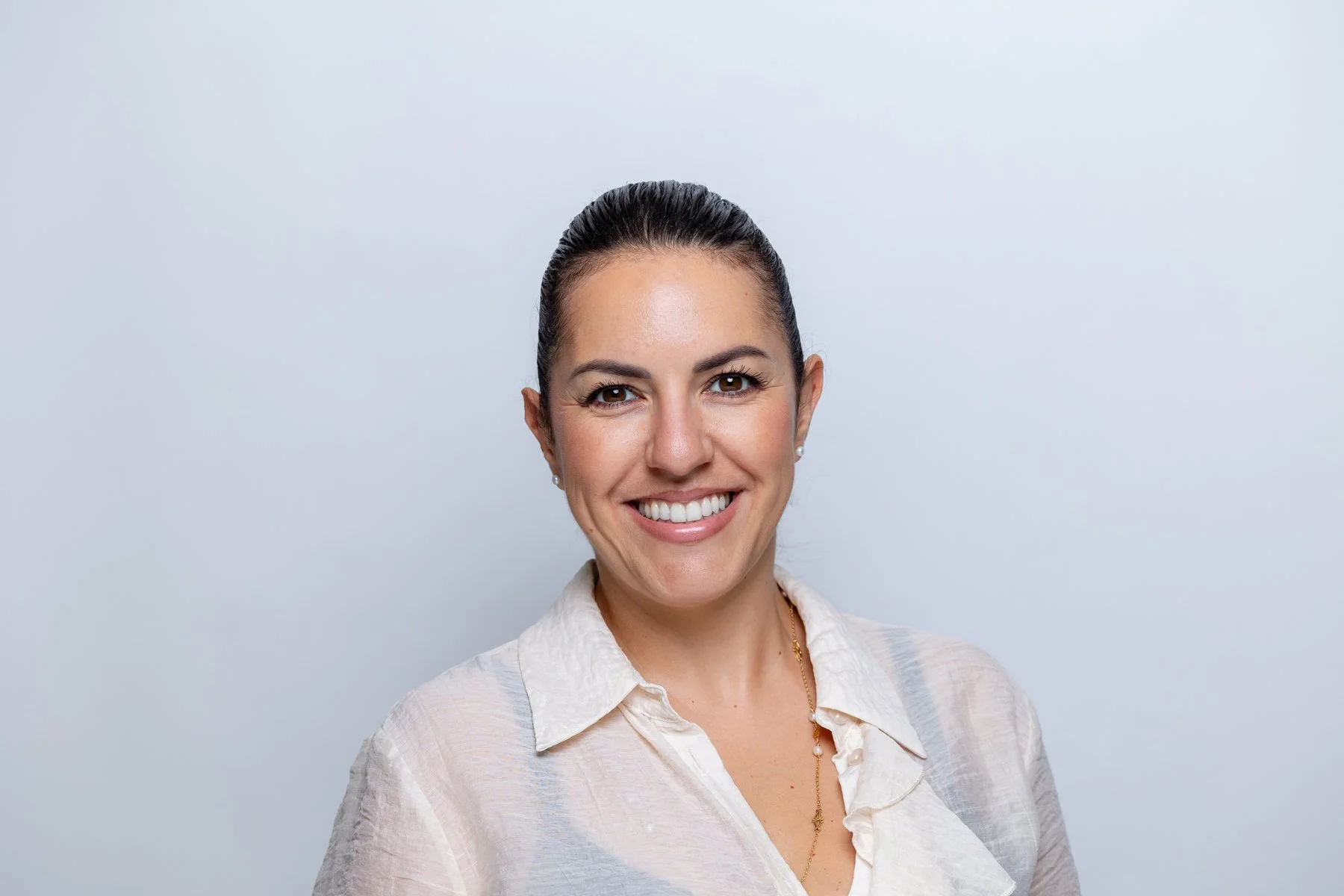
Very broadly, a studio shot leans towards competence, polish and authority. It reads as stable and serious, safe hands.
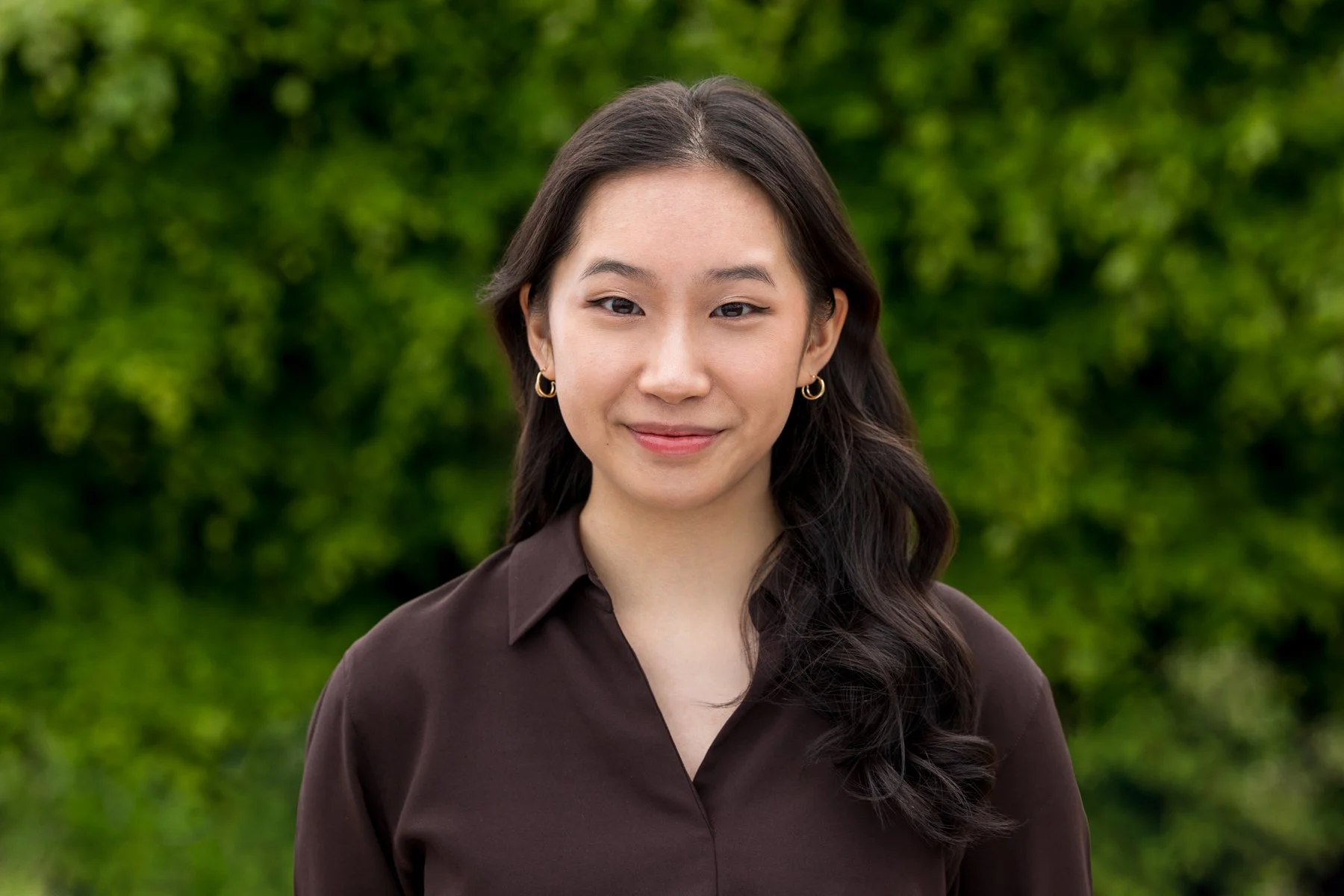
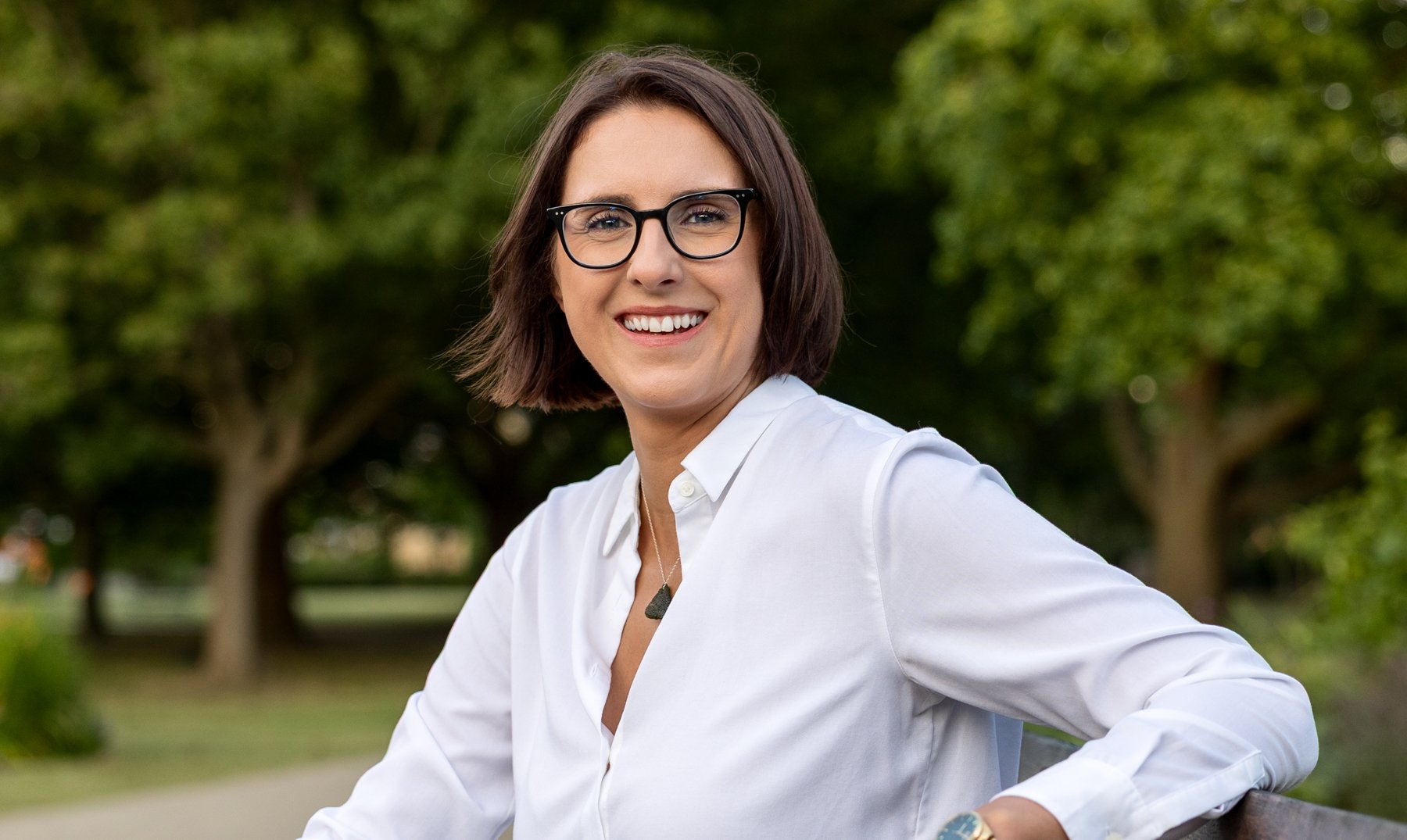
An outdoor or environmental shot leans towards warmth and approachability. It reads as human, current, easy to talk to.
Neither is better. They are pointed at different targets.
What your background is not so quietly doing
This is the part most people underrate, and the part I find most interesting.
In 2023 a team published a study in PLOS ONE where they showed people the same faces against six backgrounds: a plain wall, houseplants, a bookcase, a home setting, a blurred home setting, and a random novelty image. Same faces every time. Only the background changed.
Plants and bookcases came out on top for both trust and competence. The plain wall did well for competence but felt a touch colder. The home settings came bottom, and, oddly, men were judged more harshly for a homely background than women were.
Why do plants do so well? There is a solid body of work on biophilia, the idea that we are wired to relax around natural things. A bit of greenery lowers people’s stress, and that calmer feeling quietly transfers onto you. You look like someone people feel at ease around, and they could not tell you why.
The short version: plants and bookcases read as warm and competent at once, blank walls as competent but a little cold. Busy or homely backgrounds usually cost you, and a considered background beats a blurred one.
I watched this play out on a job near Oxford. A company booked me for one of their two annual away days and wanted team photos and fresh headshots in a single visit. Their whole business is built on safety, and the CEO was clear that the images had to feel professional and competent, and at the same time trustworthy and human, because that is what their clients are really buying. Natural elements were not a nice-to-have. They were the brief.
I went up early and scouted the site, and we found two spots the team loved. For the headshots we used a hedge with a soft blur, so you got the green and the calm without a busy background wrestling with the face. It matched what the business stood for. A plain white wall would have been faster, but it would not have said the same thing.
If you want to go deeper on this one, I have written a whole piece on why your headshot background matters.
Studio vs outdoor, side by side
If you like things laid out plainly, here is roughly how the two compare on the traits people read from a headshot. Treat it as a starting point, not gospel, because a lot comes down to styling, expression and where the picture ends up.
| What you want to project | Studio | Outdoor / environmental |
|---|---|---|
| Authority & gravitas | Strong | Gentler, more approachable |
| Competence | Strong, through polish | Strong, in a real-world way |
| Warmth & approachability | Comes down to the smile | Comes more naturally |
| Consistency across a team | Easy | Doable, with planning |
| A sense of your real world | Low | High |
| Speed on the day | Fast | Needs scouting and time |
Where the photo will live decides a lot
Before you pick a style, ask where the image will spend its life. That one question settles most of the argument.
LinkedIn and staff directories. Go tighter. On a phone your face shrinks to a thumbnail, and research on profile photos says your face wants to fill most of the frame, around sixty to seventy per cent of it. A wide outdoor shot loses its detail at that size, so studio or a tightly framed outdoor shot with a soft background tends to win.
Boards, finance, law, anything regulated. Studio still rules, and for good reason. In those worlds trust is institutional, and a clean, consistent look signals steadiness.
Culture pages, careers, press and founder profiles. This is where outdoor shots earn their keep. They show a real person in a real place, which is exactly what a candidate or journalist wants to see.
A whole team. Consistency usually beats individuality. A repeatable setup, whether that is a studio or a single scouted outdoor spot, keeps everyone looking like they belong to the same company.
The setting is only half the job
Here is the thing no backdrop can fix. The biggest variable in any headshot is you, and specifically whether you look at ease.
PhotoFeeler once analysed more than sixty thousand ratings of professional photos. The single biggest lift on how likeable someone looked was a genuine smile with a bit of teeth, not the closed-mouth corporate grimace. A 2024 study in Scientific Reports found the same for expression more broadly: a natural gaze and a real smile read as more competent and more hireable than the stiff version of the same person.
This is where I probably part ways with a lot of the studio-versus-outdoor chatter online. I think the setting matters less than people assume, and comfort matters far more. My rough rule is that a portrait is sixty per cent making you feel comfortable and forty per cent skill with the camera. If you are tense, the lens catches it every time, however pretty the background.
It is also why I bring my full mobile studio whatever we are shooting. In Hyde Park, in the steel-and-glass corners of Canary Wharf, or a field past the M25 for an away day, you still get proper lighting, you still see the images in real time, and I still talk you through every pose. Nothing slips because we stepped outside. You are not swapping a well-lit, professional image for a nicer view. You get both. And yes, I still turn up with the lint roller, the moisturiser, a mirror and a spare shirt or two, because the small things settle the nerves.
So, which should you choose?
You can probably guess my answer by now. It is not a simple studio-or-outdoor pick, and I would be wary of anyone who hands you a blanket rule.
When someone asks, I start with their business, not the camera. What do these images need to say, and who has to believe it? A firm that sells precision wants something different from one that sells warmth and a human touch.
Then we weigh the honest trade-offs. In-office studio headshots are efficient, and I get the appeal: less downtime, everyone photographed in an afternoon. For plenty of people that clean studio look is exactly right, and there is nothing second-best about it. But if your images need to hit a particular tone, or land with a particular client, it is usually worth the time to get the right ones rather than the easy ones. You will use these photos for years.
Three questions tend to settle it:
Who is the audience, and what do they need to feel before they will trust you?
Where will the image mostly live, on LinkedIn, the website, the press?
What does your brand actually stand for, and does the picture match it?
Fairly often the honest answer is both. A crisp studio shot for the formal, consistent work, and a warmer outdoor one for the human, front-facing work. A good number of the leaders I photograph leave with two looks for exactly that reason.
If you are weighing this up for yourself or your team and you are not sure which way to go, that is my favourite conversation to have. Book at a chat or fire me over an email before any corporate or team shoot, no pressure either way. You can see the team options here.
A few quick questions I get asked
Are studio or outdoor headshots better for LinkedIn?
For LinkedIn, tighter is better. Your face needs to fill most of the frame at thumbnail size, so a studio shot, or a closely framed outdoor one with a soft background, usually works best.
Do corporate headshots really change how people see me?
The research says yes, and faster than you would think. People form trust and competence judgements from a face in about a tenth of a second, so a considered headshot is doing quiet work before anyone has spoken to you.
Should a whole team match?
Usually, yes. Consistency makes a team look like a team. That does not have to mean a plain studio wall, but it does mean a repeatable setup, which is worth planning before the day.
How often should I update my headshot?
Every couple of years is sensible, or sooner if you have changed noticeably. You want the person who walks into the meeting to match the person in the photo.
