
Do directors need headshots, or is that just an actor thing?
Here’s a thought I hear from a lot of new directors. Someone tells you to sort out your headshots and your first reaction is that headshots are an actor thing. You are the one behind the camera, so why would you ever need to be in front of one?
It is a fair assumption… and it is wrong. If you direct, you need a headshot too. The catch is that what you need is a director's portrait, which is a different thing to an actor's headshot, and it does a different job.
I am a London headshot photographer and I shoot both actors and directors, so I see the difference every week. Let me walk you through why directors need a portrait, when you actually need one, why being young is not the problem you think it is, and how to get one that works.
Aren't headshots just for actors?
The quick answer is no and the reason matters.
An actor headshot is a casting tool. Its whole job is to be a clean, neutral (to a point) canvas that lets a casting director look at you and imagine you as somebody else, a character in a script. The best actor headshots almost get out of the way, so the viewer can project a role onto your face.
A director's portrait does close to the opposite. Nobody is trying to imagine you as a character. They are trying to work out whether you are the person to hand a budget, a crew and a vision to. So the portrait is about you: your point of view, your judgement, the sense that you can lead a room. In the film world this is now a real, studied idea. The director has become a public name that helps sell the work. The film scholar Timothy Corrigan calls this the "commerce of auteurism", and there is a good deal of research on directors working as author-brands in their own right.
When do you actually need one? (earlier than you think)
Here is the assumption I most want to knock out of the field: the idea that portraits are for directors who have already made it. The research points the other way. The moment you need a professional portrait is early, at the point where you start dealing with festivals, funders and gatekeepers, long before anyone would call you established.
Think about where a director's image actually turns up. Festival submissions and catalogues. Grant and funding applications. Sales and market books. Agency and production-company profiles. Your own website. Your IMDbPro page and streaming profiles. Press kits and interviews. And the socials you already live on.
I photographed two directors recently who prove the point. One needed her portrait for the Edinburgh Fringe Festival (August 2026). The other, an independent film director, needed hers for her website. Both are early in their careers, both had a real deadline, and in both cases a phone selfie would have undercut them.
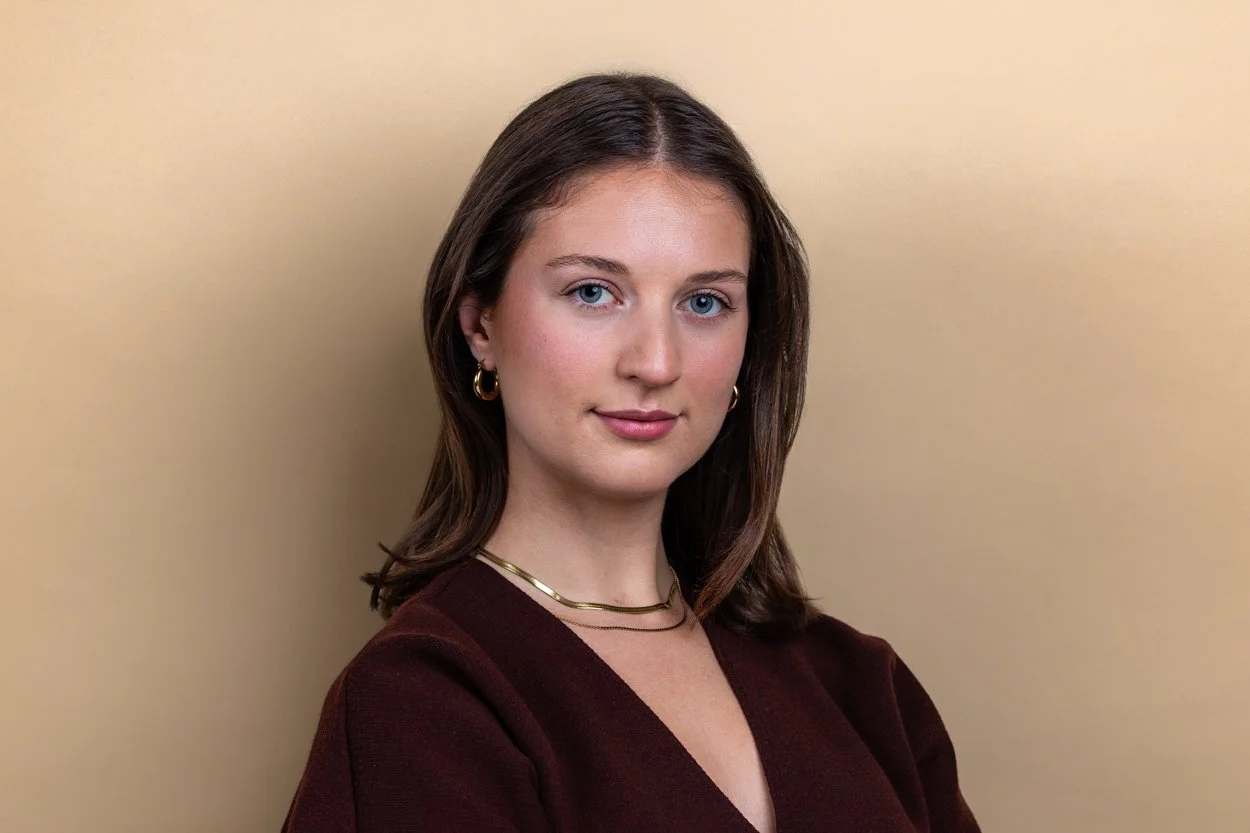
That is the thing to hold on to. Raising your profile, landing opportunities and getting a project funded all run through those touchpoints. At every one, your picture is doing some of the talking before you have said a word.
"But I'm young, won't I just look junior?"
This is the worry I hear most from directors in their twenties, and it is worth taking head on. Directorial authority has very little to do with age, and even less to do with a stern, arms-folded power pose.
What financiers and crews actually look for is calm. Composure. The sense that you can think clearly and steer a project without losing the room. Modern creative teams trust thoughtful, collected authority far more than they trust bluster. A calm, considered portrait reads as "this person can lead" at any age. It can make a 27-year-old look like someone worth backing, without asking you to pretend to be anyone else.
What a good director portrait actually looks like (from someone who shoots both)
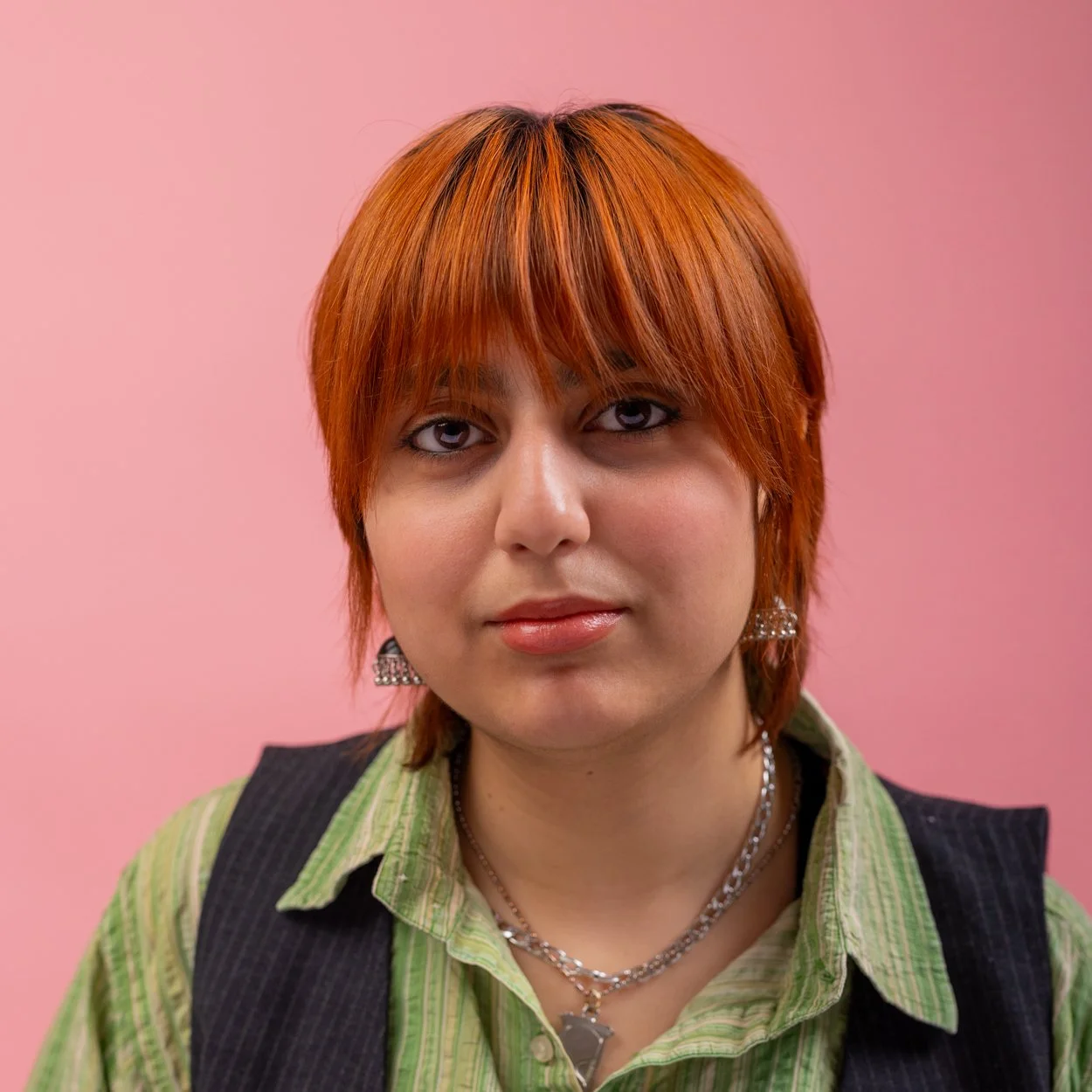
Because I shoot both actors and directors, I can tell you they are two very different sessions.
When I photograph an actor, it is playful. We draw on real emotion and range, because the images need to hint at all the people they could believably become. When I photograph a director, it is more controlled. The job is to show who you are and what you stand for. It is more serious work, and it sits closer to a business headshot with a bit of creative energy on top.
In practice, that means a few things. We let a little of your world into the frame, some setting or texture or depth, instead of the plain white background an actor headshot lives on. We build the picture around your identity, the person leading the project. And we go for composure over a hard directorial glare, because calm authority is what earns trust.
It is also why it pays to choose your photographer with care. A headshot photographer who only shoots actors may run your session like an actor's, and you can walk away with a lovely casting shot that says nothing about you as a leader. You want someone who knows they are shooting a director, and shoots it that way.
A few tips from the photographer
If you are convinced, here is how to get one that actually works for you.
Pick a versatile photographer, ideally one who shoots both actors and directors, because the two sessions run very differently and you want someone who knows which one you are in.
Think about where the picture will live, from a festival catalogue to your website to IMDbPro, and ask for a few crops and formats so one session covers you everywhere.
Dress the way you would to meet a funder. Like yourself, but considered.
Aim for calm and thoughtful over a hard "director" stare.
Let a hint of your world into the shot instead of a blank studio wall.
Do not wait until you have "made it". Book one for the next festival or funding round. It is an investment that opens doors, and one of the cheaper ones you will make.
The bottom line
The point of all this is simple. You are giving the people who decide your next opportunity a clear, confident sense of who they would be backing. For a young director trying to be taken seriously, that is one of the easiest wins going.
If this sounds like you, get in touch. If you are after director headshots in London, book a director headshot session today, and let's make you look like the director you already are.
Frequently asked questions
Do directors really need headshots, or is that just for actors?
Directors need them too, but a director's portrait is a different thing to an actor's headshot. An actor headshot sells your range for casting. A director's portrait shows your judgement and authority, so festivals, funders and collaborators can see who they would be backing.
I'm indie and on a tight budget. Is it really worth it?
Yes, and it is one of the cheaper things on your list. You need a decent portrait the moment you submit to festivals or apply for funding, which is usually well before there is much money about. Treat it as an investment in being taken seriously.
What is the difference between a director portrait and an actor headshot?
An actor headshot is a neutral canvas built for castability, so a casting director can imagine you as a character. A director's portrait is built around your identity and authority, because the people looking at it want to know you can lead a project.
I look young. How do I come across as authoritative?
Authority comes from composure and clarity, and it has little to do with age. Calm and considered beats a stern power pose every time. A good photographer will guide you towards an expression that says you can steer a room, which reads as leadership whether you are 27 or 57.
I'm an actor and a director. Can I just use my acting headshot?
Better not to. Sending an actor headshot into a directing conversation can suggest you are not fully serious about directing. Get a separate director's portrait that puts your directorial identity first, and let the two sets of images do their own jobs.
Where will I actually use it?
All over: festivals, funding applications, your website, IMDbPro and agency profiles, press, panels and your socials. One good session should cover the lot.
How do I choose the right photographer?
Look for someone versatile who shoots both actors and directors and understands the difference. Ask to see their director work specifically. You want a photographer who will run a director's session, so the final images say the right thing about you.
