
Report season is coming: This is why your year-end reporting needs a corporate photographer
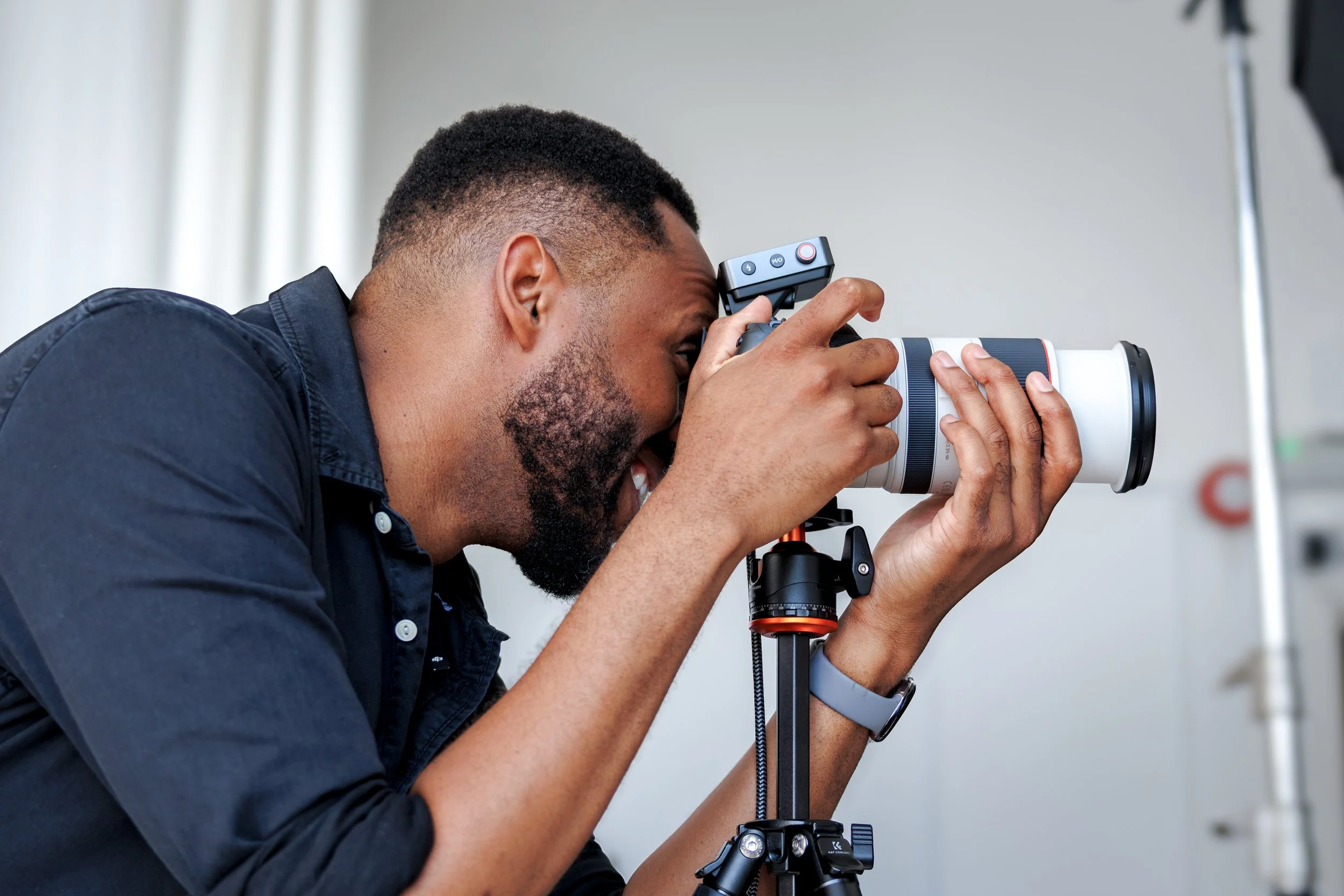
As I write this, we are in the fourth quarter of the calendar year and the third quarter of the UK financial year. For most companies that means one thing on the horizon: report season. If your year-end is 31 December or 31 March, the next few months are when your annual report, your results presentation, your AGM pack and your company review all get written, designed and signed off. Roughly October to March, every year.
The photography in those documents does more work than most people give it credit for. The leadership headshots and the workplace shots are the first thing a reader takes in, before a single number. As a London corporate photographer, this is the busiest planning stretch of my year, and it is also the one most companies leave too late. Here is what the research says about those first impressions, and why the time to act on it is now, in the autumn, before report season starts in earnest.
What the research actually says about leadership photos
Let’s start with the evidence, because it is more interesting than you might expect.
People form an impression of a face in about a tenth of a second, and giving them longer barely changes it (Willis & Todorov, 2006). By the time an investor or a prospective client has scrolled to your board page, they have already made a snap read on every face there.
It goes further than a first glance. In a study of CEO portraits, Graham, Harvey and Puri found that faces rated as more competent tended to belong to the leaders of larger companies, and that this perceived competence was even reflected in how much those executives were paid (A Corporate Beauty Contest, Management Science, 2017). People read competence straight off a photograph, and they act on it.
It would be easy to oversell this, so I won't. The same researchers found no link between a competent-looking chief executive and a company that actually performs better. A good portrait will not improve your numbers, and I would be silly to claim that it does. However, what it does is shape the first judgement someone makes about your leadership, before they read a word of narrative you worked so hard on. In a report, that first judgement is worth getting right.
None of this is new thinking to the people who govern reporting. The Financial Reporting Council, which oversees reporting for listed companies, describes the annual report as "communication between companies and their shareholders," and asks firms to tell their story clearly, treating the report as communication and not a compliance exercise (FRC Guidance on the Strategic Report). A dense report is hard to read. Good photography is part of how you make it land.

Why authenticity beats a quick fix
There is a shortcut doing the rounds at the moment and these types of reports are the worst place to take it. AI-generated headshots are quick and cheap, and in the context of your annual report or investor deck they are a mistake.
The audience for these documents is about as discerning as it gets. Investors, analysts and prospective clients look at corporate photography all day. There who job is to find the cracks, they can feel when a face is slightly wrong, and an AI image carries a faint (or very obvious) sense of something being off. In a marketing email that might not matter. In a document whose entire job is to be trusted, it undercuts you at the exact moment you are asking people to believe your figures.
A report asks the reader to trust what the company says about itself and the photography needs to hold the same standard. Real portraits of the real people accountable for the business, shot consistently and well, say the firm takes itself seriously. That is the whole point of commissioning a corporate headshot properly, by a person, instead of generating one. It is also, for what it is worth, the kind of thing a careful reader notices without being able to say why.
The timing, and why now is the window
It is no coincidence that I am writing this now, with report season about to begin.
Map it out. If your year-end is 31 December, your annual report is usually written and designed between January and March, ready to publish in March or April, with preliminary results around February. If your year-end is 31 March, your half-year report comes out in November or December. Either way, the design crunch lands in the new year, and by then the photography needs to already exist.
So the sensible window to get leadership headshots refreshed and workplace photography captured is now, across October and November, while diaries are still open and before everyone is deep in drafting. Leave it until the report is being laid out and you are booking a photographer against a deadline, hoping for a slot, and photographing executives who are already stretched thin.
If your board photos are more than a year old, if someone has joined or changed role, or if your last set never quite matched, this is the moment to sort it. Book a corporate shoot now and the images are ready and waiting when the designers need them.
What a year-end shoot actually covers

When a company books me for this, two things usually come out of the day.
The first is a consistent set of leadership and team headshots. The same lighting and background for everyone, so the board page reads as one firm instead of a dozen people photographed in a dozen different places. Consistency is the thing a mismatched page lacks, and it is the easiest win in the whole report.
The second is workplace and on-location photography: your people at work, your space, the things the year's numbers actually describe. A figure for investment or growth is abstract on the page. A photograph of the team or the work behind it gives the reader something real to attach it to. I shoot this on location at your office, so the images show your actual business and your actual space, taken where the work happens.
I have had the headshots and team photography I have taken go on to sit in clients' annual reviews and investor decks, which is exactly where this kind of work belongs. In the middle of September a property company based near Old Street came to me for a new set of executive portraits for their end-of-year reporting. Their last set was more than five years old and heavily retouched, and they wanted up-to-date images that made them look good without looking plastic. I photographed the leadership team to one consistent look, ready for the report they were putting together.
Most companies settle on a simple rhythm: refresh the leadership portraits once a year or two, keep them consistent, and add a handful of workplace shots tied to that year's story. Done in the autumn, it is ready for the whole reporting cycle that follows.
Get it sorted before the crunch
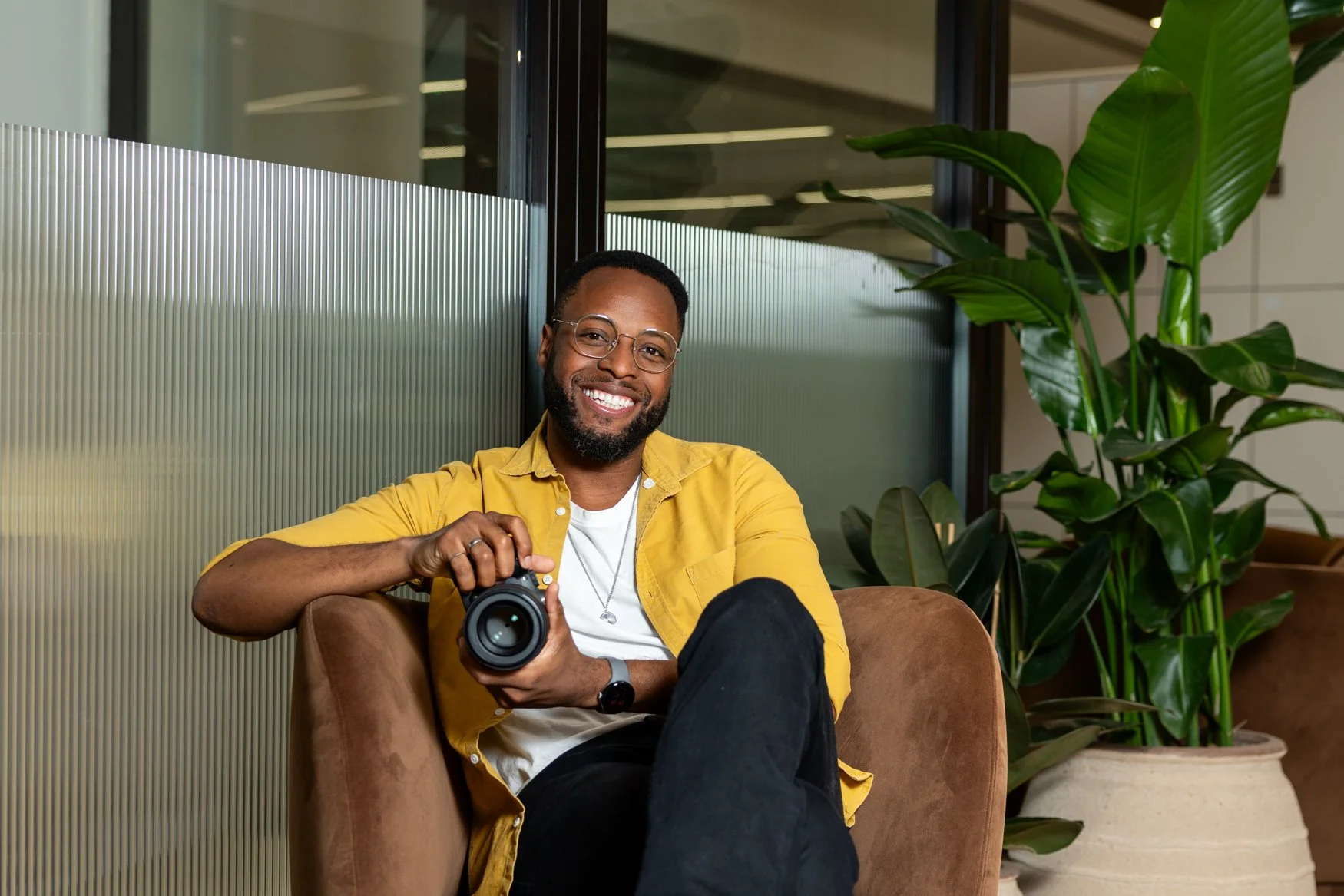
A good report is a piece of communication, and the photography is part of how it communicates. It will not change your results, but it shapes the first impression your leadership makes, and in a document built to be trusted, authenticity is everything. The one thing you control completely is whether the images are ready in time.
We are in the window now. If your year-end reporting is coming up, tell me your year-end date and roughly how many people need photographing, and I will put together a plan that has everything ready before the design work starts. Start with corporate headshots in London, or get in touch for a quote.
FAQ
When should we book corporate photography for our annual report?
Aim for October or November for a report published the following March or April. The design work happens in the new year, so the photography needs to be done before then. Booking in the autumn means open diaries and no deadline pressure.
Do AI-generated headshots work for an annual report?
I would avoid them. The audience for a report is highly discerning, and AI or DIY images read as slightly off, which undermines the trust a report depends on. Real portraits of the real people accountable for the business are what hold up.
How often should we refresh executive headshots?
Once a year is a sensible rhythm for most teams, and straight away whenever someone joins the board or changes role. It keeps the governance pages accurate and the set consistent.
What should year-end photography include?
Usually two things: a consistent set of leadership and team headshots, and some on-location workplace photography that gives the numbers in the report something tangible to sit against.
