
Are Actor Headshots in London Still Relevant in 2026?
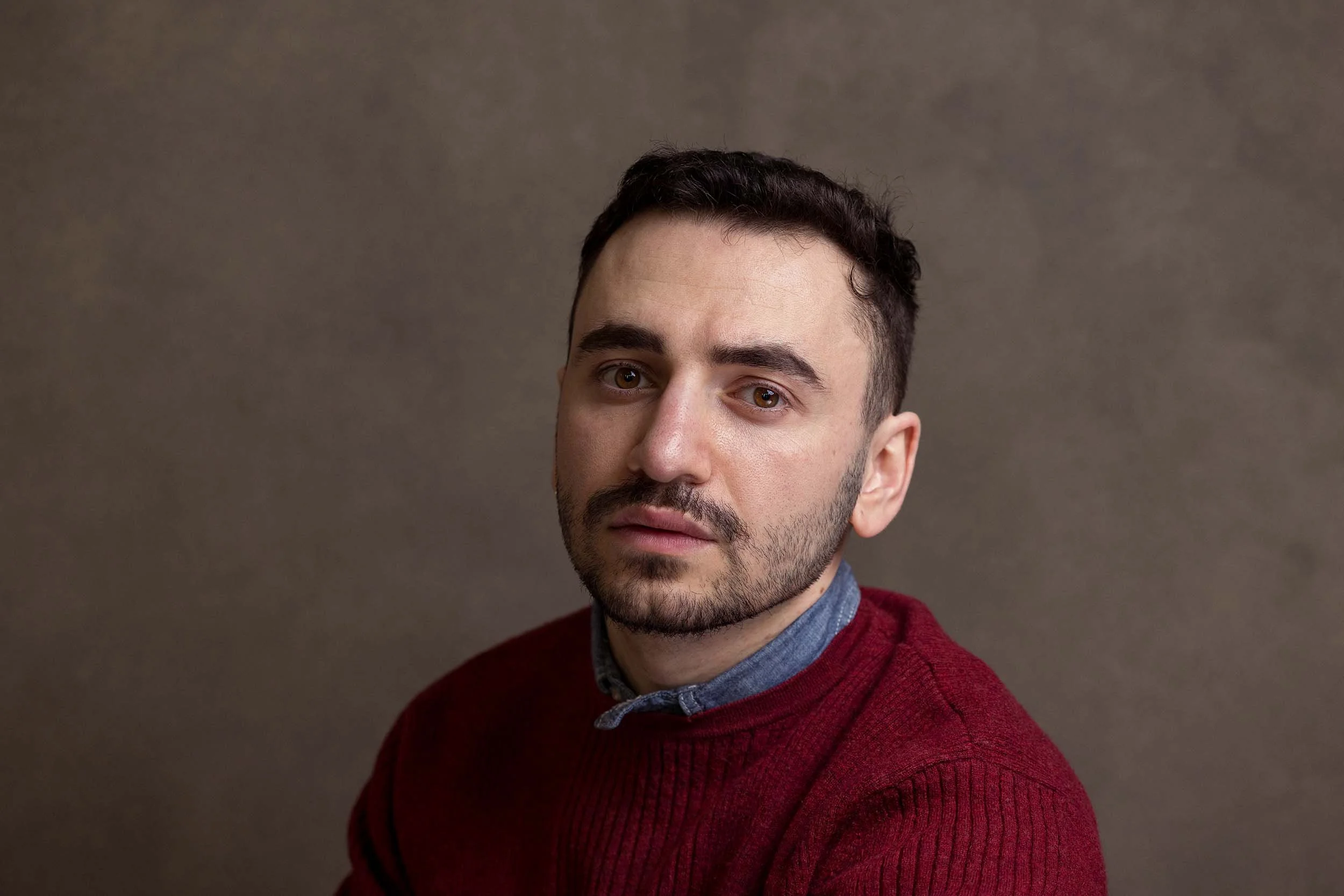
A theatrical actor headshot shot in London. No heavy retouching, no distractions, just a genuine expression that casting directors can actually work with.
The Question Everyone's Quietly Asking
If you're an actor in London right now, you've probably had the thought. Maybe while scrolling through Spotlight at 11pm, or after your third self-tape submission this month without so much as a call-back. The thought goes something like: do headshots actually matter anymore?
It's not a silly question. The industry has shifted in ways nobody fully predicted. Self-tapes have replaced a huge chunk of in-person auditions. Instagram and TikTok have turned actors into their own PR machines. And AI tools can now generate polished, professional-looking portraits in about four minutes for the price of a coffee.
So where does that leave the traditional headshot?
More important than ever. And that's not spin. London is one of the most competitive casting markets in the world, and the sheer volume of actors competing for the same roles has never been higher. Your headshot is the first thing a casting director sees. If it doesn't stop them mid-scroll, your self-tape never gets watched. Full stop.
The game hasn't gotten easier. It's gotten louder.
What's Actually Changed in 2026
Casting Is Now a Scroll, Not a Room
Think about how casting directors actually work today. They're not sitting across a table watching you walk in. They're on a screen, moving through thumbnails on Spotlight or Mandy, Casting Networks, or whatever platform the production is using that week. Dozens of faces per page, hundreds of submissions per role.
For a standard smaller film role, a casting director might receive 7,000 submissions. For network TV guest star roles, 1,500 to 3,000 actors compete for a single slot, and only 10 to 15 get called in to audition.
Modern casting is basically a high-stakes dating app. If your thumbnail doesn't immediately communicate your castable energy, they swipe left - and unlike Tinder, there's no second chance to rematch. Your headshot is doing a job in about two seconds: telling a casting director whether you're worth their time, whether you fit the brief, and whether you're ready for the room. That's a lot to ask of one image.
Authenticity Beats Perfection
The heavily airbrushed, magazine-cover look is actively working against actors now. Casting directors have seen enough of it to spot it immediately, and when they do, it raises a simple question: who actually shows up to the audition? As casting director Daryl Eisenberg puts it: "Your headshot should look like the person that will walk in the audition room or show up on set. Nothing else matters."
Over-editing creates a trust gap that can end an audition before it starts. And if over-editing raises eyebrows, a fully AI-generated headshot is a different problem entirely. The technology is obvious to anyone who's looked at enough faces professionally, and the credibility gap it creates is even wider.
This is something I see play out in sessions regularly. It's so important that actors relax into a shoot rather than arrive ready to perform. I will ask you to channel a character, feeling, or scene to draw out raw emotion. But if you come in stressed or overly amped up, it won't read well on camera. It's generally why we sit and talk before I even touch the camera. That conversation isn't small talk. It's part of the process.
So What Does a Good Headshot Look Like Now?
The bar has not lowered. It has shifted. A strong actor headshot in 2026 isn't about looking glamorous. It's about looking unmistakably like yourself, at your most castable. The difference between a photo that says "I had a great photographer" and one that says "I know exactly who I am as an actor." That's what gets your self-tape watched.
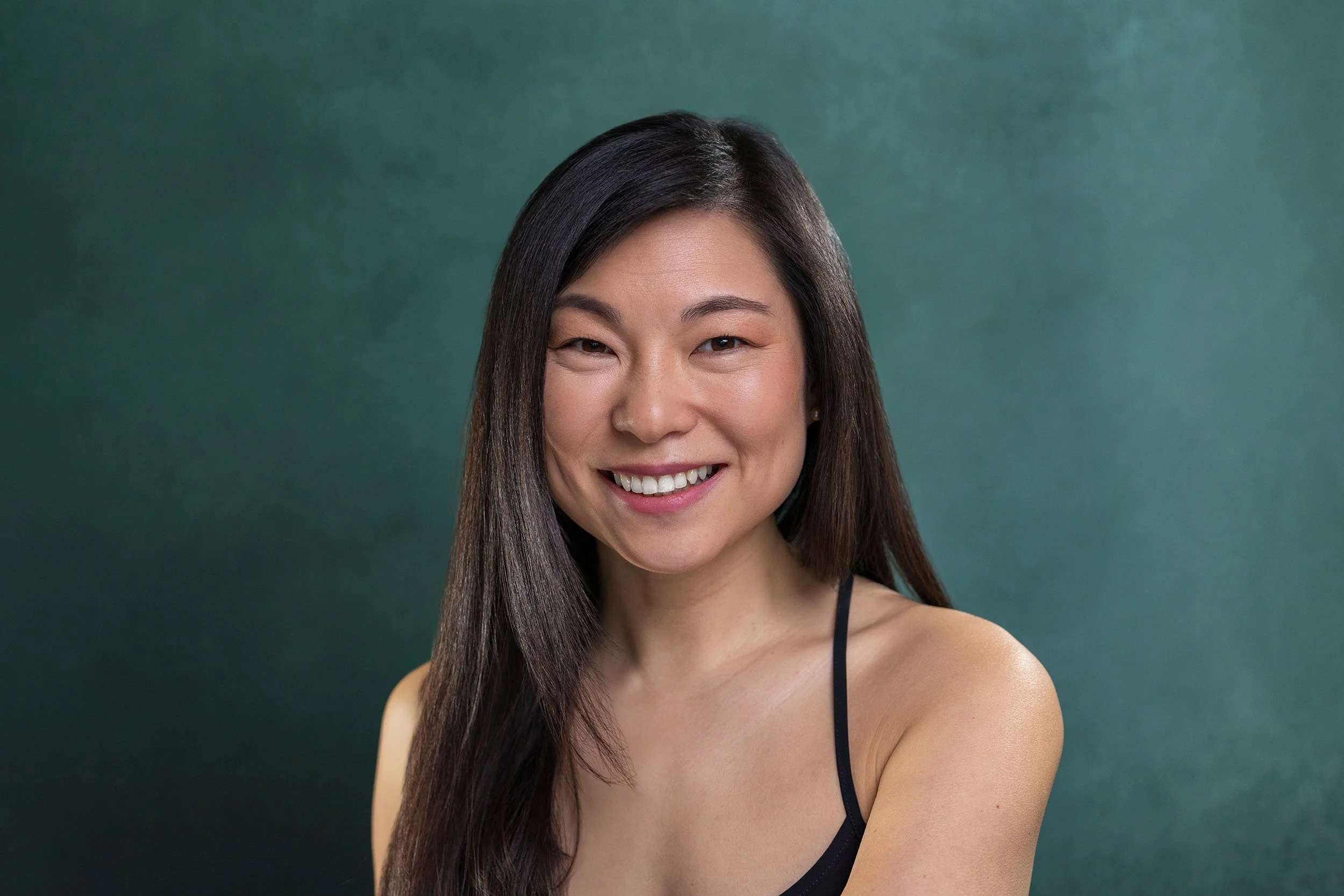
A commercial actor headshot shot in London. The kind of warmth and energy that works instantly for TV, advertising, and spokesperson roles.
What Casting Directors Actually Look for in 2026
One headshot is no longer enough. Serious actors are expected to maintain a small portfolio of looks that reflects their genuine casting range. Three to five distinct headshots is the current benchmark (commercial, dramatic, comedic), so that when a role comes up, you or your agent can submit the image that speaks most directly to what the casting director has in mind.
So what actually gets noticed in those first two seconds?
It Has to Look Like You
Not the best version of you from three years ago. Just you, on a good day, looking like the person who'd walk into that audition room. Natural skin texture, a real expression, your actual haircut. Over 70% of casting directors reject profiles with headshots that don't match the actor's current appearance. The gap between your photo and reality isn't a minor issue. It's a disqualifier. Ask yourself honestly every six months: would someone recognise me instantly from this?
They Need to Place You Instantly
Casting directors aren't studying your headshot. They're glancing at it. In that glance, they're asking one question: can I see this person in the role? Your headshot needs to send a clear signal about who you are as an actor: your type, your energy, the world you belong in. Mixed signals gets you skipped.
It Needs to Make Them Feel Something
Some headshots just land. There's a presence in the eyes, something that makes you want to know more about that person. It comes from genuine engagement in the moment the photo is taken. A technically good photo that feels flat won't do what you need it to do.
When I want to convey emotion, I think about my closest personal experience to it and let that guide me, and it's what I encourage every actor who comes here to do. If you're playing a troubled school child, I personally go back to science lessons in secondary school and how terrible we were in class. It sounds small, but those specific, lived memories are what makes people really feel something. Generic "act sad now" never works. A real memory almost always does.
Keep It Current
Actors who update their headshots every one to two years are 30% more likely to get audition calls compared to those who don't. If you've changed your hair, lost or gained weight, or simply look noticeably different from your current photos, update them. The cost of a new session is nothing compared to the cost of being filtered out before anyone's seen you act.
| What Casting Directors Want | What They Usually Get |
|---|---|
| Your face exactly as it looks today | A polished version from two years ago |
| Natural skin texture and real expression | Heavy retouching and smoothed features |
| A clear casting type they can place instantly | An ambiguous look that could be anyone |
| Eyes that connect with the lens | Eyes that are performing at the camera |
| Simple background, nothing competing | Busy locations or distracting wardrobe |
| A consistent look across 3-5 headshots | One headshot trying to do everything |
| A file named and ready for a look-book | IMG_004.jpg |
Pro Tip: Don't Overlook Your File Name Casting directors increasingly download headshots for look-books and mood boards during early project development. If your file is named IMG_001.jpg, you've already lost the room. The professional standard in 2026 follows this format: LastName-FirstName-Representation-YYYY.jpg. It takes ten seconds to fix and means that even if your image gets separated from your profile, you're still identifiable and reachable.
Social Media Is Not Your Headshot
Instagram has real value. It shows range, personality, and that you're an active working professional. Some casting directors and agents do look. But there's a difference between being findable on Instagram and being castable on Spotlight.
A social media feed is a creative impression. A professional headshot is a professional statement. Casting directors across London rely on Spotlight submissions as their primary filter, and what they're looking at there isn't your grid. It's your headshot, and it builds trust in a single frame in a way that months of carefully curated posts can't replicate.
Social media is the conversation after someone's already decided they're interested. Your headshot is what made them interested in the first place.
What Makes Acting Headshots in London Stand Out in 2026
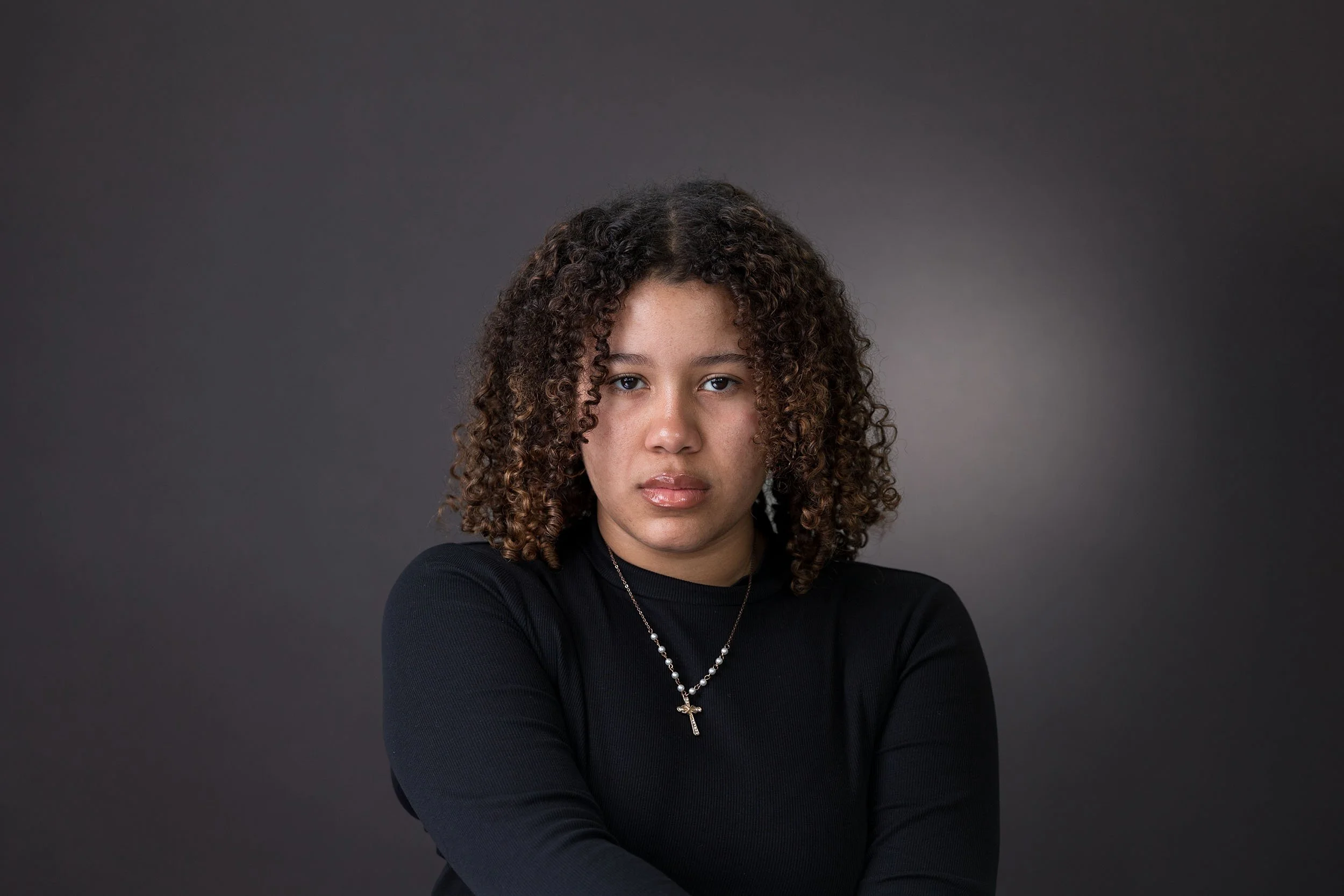
A dramatic actor headshot shot in London. Quiet intensity, direct eye contact, and nothing in the frame that doesn't need to be there.
There's a phrase doing the rounds in casting circles: the headshot gets them to click; the reel gets them to hire. Your self-tape might be brilliant. Your showreel might be the best thing they've seen all week. But none of that gets seen if the headshot doesn't first make someone open your profile.
The headshots that earn that click tend to share the same qualities. Clean, simple backgrounds with nothing competing for attention. Just the person in the frame. Eyes that are genuinely engaged with the lens rather than performing at it, because that distinction is immediately visible and it's the single biggest factor in whether a headshot feels alive or flat. Subtle expression over exaggerated emotion, because the actors whose headshots work are usually doing very little. A hint of something behind the eyes, just enough to suggest there's a whole person there. And lighting that makes your face look like your face, not like it's been sculpted by a rig.
None of this is complicated in theory. Getting it right in practice is the whole point of working with a photographer who knows what they're doing.
Who Actually Needs New Actor Headshots Right Now
Honestly, more people than you'd think.
If you're just starting out, your headshot isn't just a photo. It's your entire first impression. There's no track record, no credits, no reputation doing any work on your behalf. Getting it right from the start puts you ahead of the many new actors who don't.
If you've had a break, the calculus is simple. You look different. The industry looks different. Start fresh.
If you're not getting called in, your headshot is the first thing worth examining - not your CV, not your showreel. Everything else has to pass through that filter first, and if the filter isn't working, nothing else gets a chance.
And if your look has changed significantly, whether that's hair, weight, or simply time passing, update them. If someone who knows you well wouldn't recognise you instantly from your current headshots, it's time.
Most of the actors who come to me arrive for one of two reasons: their agent has told them their headshots aren't working, or they're restarting their acting journey and need to do it properly this time. Both are completely valid starting points. The session itself tends to take care of the rest.
If any of this sounds familiar, it's worth having a conversation. Book a consultation with Shot By Andrew and let's work out what you actually need.
The Verdict: Are Actor Headshots Still Relevant in 2026?
Without question. And the honest answer is stronger than that. They're more important now than they've ever been.
The London casting market in 2026 is faster, more competitive, and more digitally driven than at any point before. AI filtering tools are increasingly built into casting platforms, which means your headshot isn't just being judged by a human eye - it's being processed and ranked before a casting director has even seen it. Technical quality and authentic presentation aren't optional extras. They're the entry fee.
Strip away the technology and the core truth is simple. There are more actors chasing the same roles than ever. The casting process gives your headshot roughly two seconds to do its job. And the shift that defines this era isn't about lighting or backgrounds or camera choice. It's about authenticity: the real you, on your best day, captured by someone who knows how to find that in a person. That's what casting directors are looking for.
Your headshot is a professional asset. Treat it like one, update it regularly, and get it right, because in a city like London, everything that comes after depends on it.
Ready to get yours right? Book your session with Shot By Andrew. Headshots that look like you, work for casting, and need no filter to do their job.
Frequently Asked Questions
Do I still need professional actor headshots in London in 2026? Yes, and more than ever. With thousands of actors competing for the same roles, casting directors use headshots as their first filter. If yours doesn't land immediately, nothing else gets seen.
How often should I update my acting headshots? Every one to two years as a minimum, and sooner if your appearance has changed noticeably. Actors who stay current with their headshots are 30% more likely to get audition calls. A margin worth taking seriously.
Can I use iPhone photos instead of hiring a professional photographer? On a low-stakes platform, occasionally. For Spotlight and serious casting submissions in London, the difference is visible immediately, and casting directors notice. What you're paying for isn't just the camera. It's the direction, the lighting, and someone who knows how to draw a genuine expression out of you on the day.
